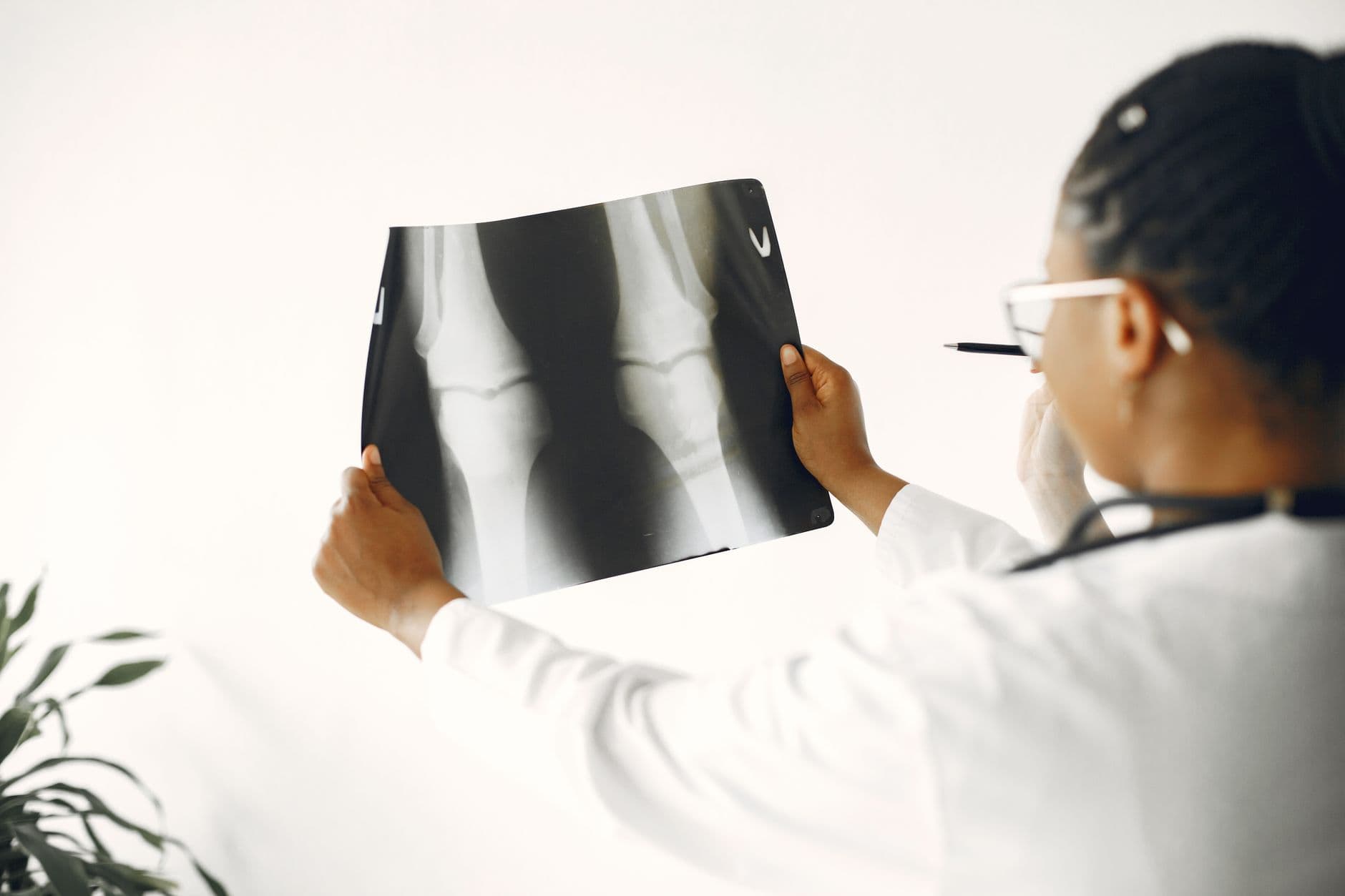
You have knee pain, maybe an MRI that shows a tear, and someone has mentioned a knee scope. Before you agree to it, you want to know one thing: does it actually work?
The honest answer is that it depends on what the surgery is meant to fix. Arthroscopic knee surgery is not one operation. For some knee problems it is the right tool. For the most common reason it is done, a worn and arthritic knee in middle age or later, large trials found it does little more than a placebo procedure.
Quick answer: how successful is arthroscopic knee surgery?
It works best when it fixes a specific mechanical problem, and it works poorly for wear and tear.
- For a worn, arthritic knee or a degenerative meniscus tear, the evidence is strong that it does not help much. A 2022 Cochrane review found that, in trials comparing it with a placebo procedure, it made little or no difference to pain or function three months after surgery. An international panel writing in The BMJ in 2017 made a strong recommendation against arthroscopy in nearly all patients with degenerative knee disease.
- For a specific problem in a knee that is not worn out, such as a torn ACL that leaves the knee unstable, a repairable meniscus tear, or a knee that is truly locked and cannot straighten, arthroscopic surgery is a standard treatment. The BMJ recommendation was written for worn, degenerative knees, not for these problems.
So the first question is not how well the surgery works in general. It is which of these two groups your knee belongs to.
What arthroscopic knee surgery actually is
In knee arthroscopy, the surgeon puts a small camera into the joint through a small cut and works with thin instruments through one or two more. The American Academy of Orthopaedic Surgeons (AAOS) says most knee arthroscopy procedures last less than an hour, and a generally healthy person usually goes home the same day.
The same technique is used for very different jobs. The AAOS lists, among others:
- Partial meniscectomy, trimming away a torn piece of the meniscus, the rubbery cushion between the thigh bone and shin bone
- Meniscus repair, stitching a tear so it can heal
- Reconstruction of a torn anterior cruciate ligament (ACL)
- Trimming or reconstruction of damaged cartilage
- Removal of inflamed joint lining
A success rate for "knee arthroscopy" mixes all of these together, which is why the number on its own tells you so little.
Where the evidence says it does not help much
Knee arthroscopy has been studied hard, because it was done so often. The BMJ panel called it the most common orthopaedic procedure in countries with available data.
A worn, arthritic knee
The 2022 Cochrane review pooled 16 trials with 2,105 people, average age 46 to 65. In the four trials that compared arthroscopy with a placebo procedure, the high-certainty finding was little or no difference in pain or function at three months. Over up to five years, 82 out of 100 people reported success after arthroscopy and 74 out of 100 after the placebo procedure, a gap the reviewers rated low certainty and not clearly real.
The 2017 BMJ panel reached the same place: fewer than 15% of people in the trials saw a small or very small improvement in pain or function three months after surgery, and that benefit did not last to one year.
A degenerative meniscus tear
This is the case that surprises people most, because the MRI shows a tear and fixing a tear sounds logical. In a Finnish trial published in the New England Journal of Medicine in 2013, 146 people aged 35 to 65 with symptoms of a degenerative tear and no arthritis had either a partial meniscectomy or a placebo procedure. A year later, the two groups had improved by about the same amount.
Another 2013 trial in the same journal compared surgery with physical therapy in 351 people aged 45 and over with a meniscus tear and mild to moderate arthritis. Function improved by about the same amount in both groups at six months. About 30% of the physical therapy group did go on to have surgery within six months, so physical therapy first does not always mean never having surgery.
In an older knee, a tear on the scan is often part of the wear rather than the cause of the pain, and that is why trimming it changes so little. The BMJ panel says its recommendation covers people with or without arthritis on imaging, including those with catching symptoms or a sudden start without a major injury.
Where it is the right tool
The BMJ panel did not consider knee problems that began after a major injury or young people with sports injuries, and it named a truly locked knee, one that cannot fully straighten, as the only possible exception to its recommendation. These are the situations where arthroscopic surgery is used on purpose.
A knee that is truly locked
If a torn piece of meniscus or a loose fragment is physically blocking the joint so the knee will not straighten, the problem is mechanical, and removing or repairing the blocking piece addresses it directly. This is different from a knee that clicks or catches now and then, which the trials of degenerative knees did include.
A repairable meniscus tear
Whether a tear can heal depends largely on where it is. The AAOS explains that the outer third of the meniscus has a rich blood supply, so a tear there may heal on its own or can often be repaired with surgery, while tears in the inner part usually cannot heal and are often trimmed. Our article on whether a torn meniscus needs surgery walks through that decision in detail.
A torn ACL with an unstable knee
The AAOS lists ACL reconstruction among the procedures done arthroscopically and says reconstruction remains the most common surgical treatment for an ACL tear. Whether you need it depends on how badly the ligament is hurt, your age, whether the knee feels unstable, and your activity level. Non-surgical care with physical therapy is always an option, particularly if you do not do sports that involve pivoting, cutting or jumping. See our page on knee ligament repair.
What success means for you
Before any knee surgery, it helps to say out loud what you want it to do. Common goals are:
- Less pain day to day
- A knee that stops locking or giving way
- Getting back to a sport or a job that loads the knee
- Protecting the joint for the future
Arthroscopy is good at the second and third goals when there is a specific structure to fix. It is not a reliable way to get the first one when the cause is wear. The AAOS also cautions that some damage cannot be completely reversed with arthroscopic surgery and that a bigger operation may be needed later.
Recovery and risks
Recovery depends on which procedure you have, because a repaired tear has to grow back together, while a trimmed one does not.
- Partial meniscectomy: the AAOS puts healing at roughly 3 to 6 weeks.
- Meniscus repair: the AAOS puts rehabilitation at about 3 to 6 months.
- A minor scope: the AAOS says most people can drive 1 to 3 weeks after surgery and return to most physical activities after 6 to 8 weeks, sometimes sooner. A heavy job can take longer.
The AAOS calls the complication rate after knee arthroscopy very low and lists infection, blood clots, stiffness, bleeding into the knee, and swelling or bruising as possible problems. Low is not zero, and the Cochrane review lists deep vein thrombosis, pulmonary embolism and deep infection among the serious adverse events reported in the trials. That is one more reason not to have the operation when the evidence says it will not help.
What to try first for a worn knee
If your knee pain comes from wear, the trials point to non-surgical care first. That usually means a structured exercise and physical therapy program to strengthen the muscles that support the knee, plus medicine for pain and swelling. An injection can calm a flare enough to keep you moving; our article on the cortisone shot for knee pain explains what to expect. When a worn knee stops responding to all of that, the conversation usually moves toward knee replacement rather than a scope.
Signs that should not wait
Go to an emergency room now if a knee becomes hot, red and very swollen with a fever, or if, after any knee surgery, your calf becomes swollen and painful or you become short of breath or have chest pain.
See an orthopedic doctor soon if your knee locks and will not straighten, if it swelled up quickly after a twist or a pop, or if it keeps giving way under you. Those are the patterns that point to a mechanical problem rather than wear. After a scope, the AAOS advises talking to your doctor if your pain has not begun to improve within a few days.
Your next step
The most useful thing you can have before deciding is a clear answer about what is causing your knee pain, based on an exam of your knee and how it behaves, not only on what an MRI report says. Mountain Spine & Orthopedics offers a complimentary MRI review and second opinion, and our orthopedic team will tell you plainly whether a scope is likely to help or whether another route makes more sense. You can read more about the procedure on our arthroscopic knee surgery page.
Frequently Asked Questions
Answers to the most common patient questions about this topic.
What is the success rate of arthroscopic knee surgery?
There is no single rate, because knee arthroscopy covers several different operations. For a worn, arthritic knee or a degenerative meniscus tear, a 2022 Cochrane review found little or no difference in pain or function at three months compared with a placebo procedure. For specific mechanical problems, such as a torn ACL or a repairable meniscus tear, it is a standard treatment and the outcome depends on the injury.
Does arthroscopic knee surgery help arthritis?
Usually not. An international panel writing in The BMJ in 2017 made a strong recommendation against arthroscopy in nearly all patients with degenerative knee disease, after finding that fewer than 15% of trial participants saw a small benefit at three months and that the benefit did not last to one year.
How long does it take to recover from a knee scope?
It depends on the procedure. The American Academy of Orthopaedic Surgeons puts healing after a partial meniscectomy at roughly 3 to 6 weeks and rehabilitation after a meniscus repair at about 3 to 6 months. After a minor scope, most people can drive within 1 to 3 weeks.
Can a torn meniscus be fixed with arthroscopic surgery?
Sometimes. Tears in the outer third of the meniscus, which has a good blood supply, can often be repaired. Tears in the inner part usually cannot heal and are often trimmed instead. In an older knee with a degenerative tear, trials found that trimming the tear did no better than a placebo procedure or physical therapy.
Is it worth trying physical therapy before knee arthroscopy?
For a degenerative tear or arthritis, yes. In a 2013 trial of 351 people with a meniscus tear and mild to moderate arthritis, function improved by about the same amount with physical therapy as with surgery at six months, although about 30% of the physical therapy group went on to have surgery within that time.