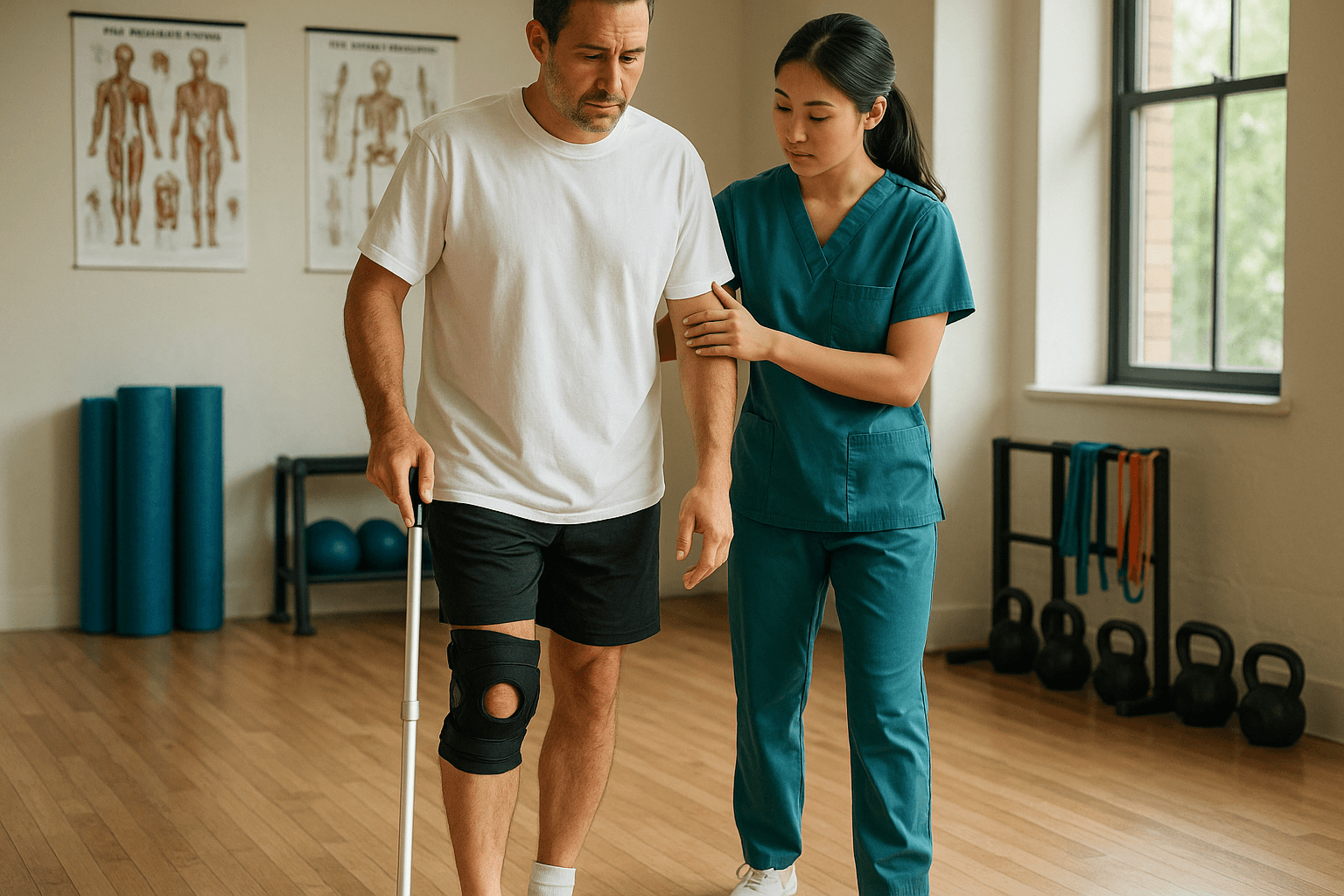
Orthopedic surgery can dramatically improve quality of life, but recovery is often more difficult than patients anticipate. Some procedures require months of healing, strict activity restrictions, and intensive physical therapy.
If you’re asking what is the hardest orthopedic surgery to recover from, the answer depends on surgical complexity, the joint involved, and how much rehabilitation is required. Procedures involving the spine, major joints, or major tendons consistently lead to the most demanding recoveries.
Below, we break down the toughest orthopedic surgeries to recover from, why healing is so challenging, and what patients should realistically expect throughout the recovery process.
Quick Answer: What Is the Hardest Orthopedic Surgery to Recover From?
Spinal fusion is widely considered the hardest orthopedic surgery to recover from due to prolonged bone healing, permanent changes to spinal mobility, and extended physical therapy. However, total knee replacement, rotator cuff repair, ACL reconstruction, and Achilles tendon surgery can be equally demanding depending on a patient’s activity level and overall health.
Patients dealing with chronic back or nerve pain before surgery often benefit from understanding their underlying condition, such as degenerative disc disease or spinal stenosis, before choosing a surgical path.
The Most Demanding Recoveries in Orthopedics
While every patient's experience is unique, several major orthopedic procedures are consistently recognized for their challenging and lengthy recovery periods. This is often due to the complexity of the surgery, the nature of the joint involved, and the extensive rehabilitation required to regain function.
1. Spinal Fusion Surgery
Why Spinal Fusion Recovery Is So Difficult
Spinal fusion permanently joins two or more vertebrae, requiring bone to grow and solidify over time. During this process, movement must be limited to avoid disrupting the fusion, making everyday activities difficult for months.
This procedure is commonly recommended for conditions such as degenerative disc disease and herniated discs, particularly when conservative treatment fails.
How Long Does It Take to Recover From Spinal Fusion?
Initial recovery typically lasts 3 to 6 months, while full recovery can take up to 12 months. Physical therapy is essential to restoring strength, flexibility, and spinal stability.
Patients considering this option often review detailed information about spinal fusion surgery before proceeding.
2. Total Joint Replacement (Knee and Hip)
Total knee and hip replacements involve removing damaged bone and cartilage and replacing them with artificial implants. Recovery focuses on managing pain, reducing swelling, and restoring joint mobility. Many patients research total knee replacement surgery or total hip replacement to better understand recovery expectations and rehabilitation timelines. Knee replacement recovery is often more challenging than hip replacement due to the knee’s complexity and weight-bearing demands.
Why It's So Difficult:
These surgeries involve removing damaged bone and cartilage and replacing them with artificial implants. The recovery from total knee replacement, in particular, is known to be challenging due to the complexity of the knee joint. Patients must work through considerable post-operative pain and swelling while engaging in immediate and rigorous physical therapy to regain range of motion and prevent stiffness. The journey to regaining strength, balance, and normal walking patterns is a marathon, not a sprint, often taking many months.
3. Rotator Cuff Repair
Rotator cuff repair requires the shoulder to remain immobilized for several weeks to allow tendons to heal properly. Rehabilitation must carefully balance protection and gradual mobility to avoid reinjury or stiffness.
Patients with shoulder tendon injuries often explore rotator cuff repair surgery to understand long-term outcomes and recovery timelines.
Full recovery can take 6 to 12 months depending on tendon damage and adherence to physical therapy.
Why It's So Difficult: Recovery requires a delicate balance between immobilization and movement. The shoulder must be protected in a sling for several weeks to allow the tendon to heal, yet physical therapy must be started early to prevent the joint from becoming permanently stiff ("frozen shoulder").
Patients face a prolonged period of limited arm use, which impacts daily life significantly. The process of gradually regaining strength and full range of motion can be painful and take up to six months or more.
4. ACL Reconstruction
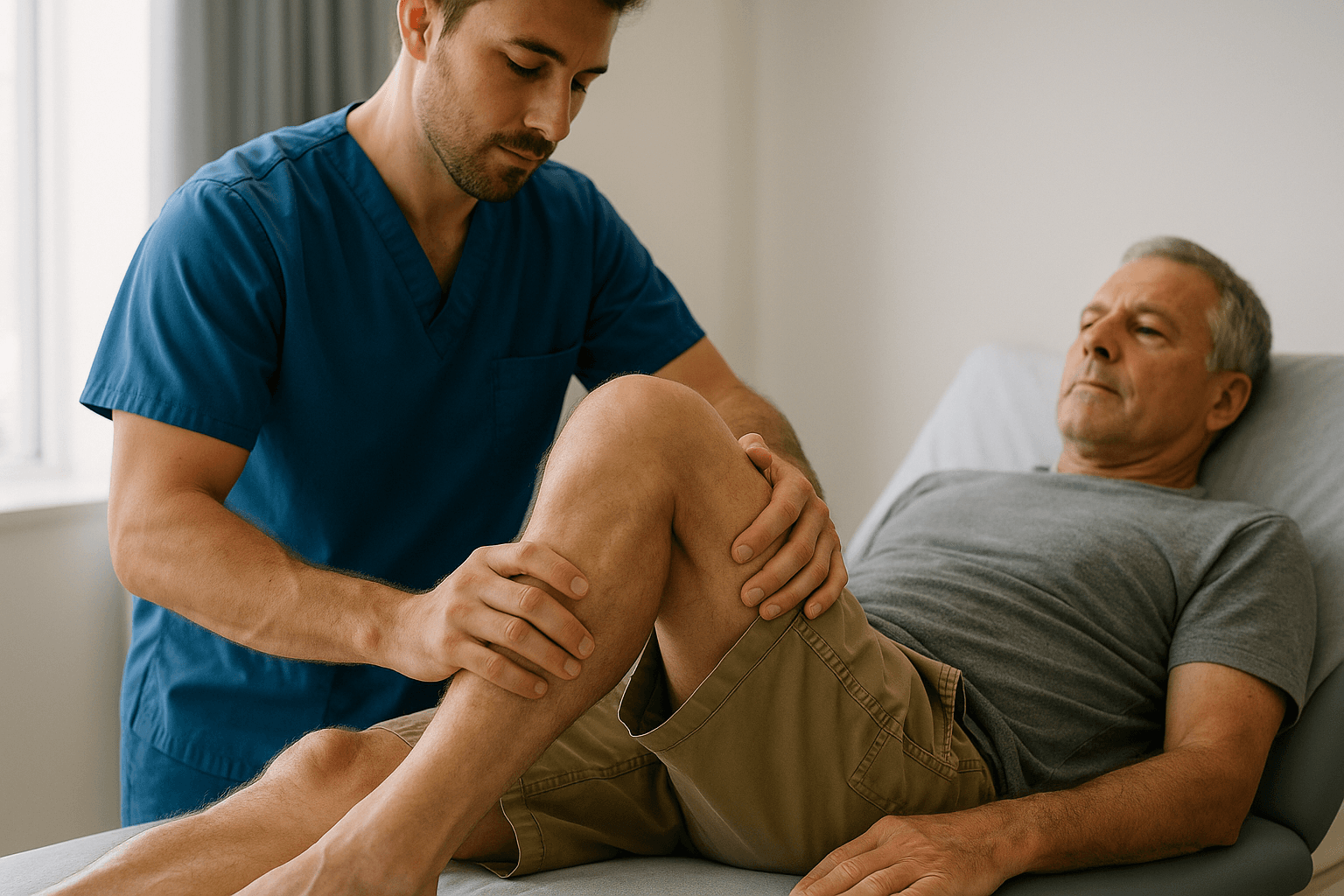
ACL reconstruction restores knee stability but requires extended rehabilitation. The reconstructed ligament must biologically integrate with the bone before full activity can safely resume.
Athletes and active individuals commonly review ACL reconstruction surgery details before committing to the procedure. Recovery often takes 9 to 12 months and involves strength training, balance work, and neuromuscular rehabilitation.
Why It's So Difficult: While often performed arthroscopically, ACL recovery is a long and mentally taxing process. It takes a minimum of six to nine months for the new ligament graft to heal and mature fully.
The rehabilitation is intense, focusing on gradually restoring motion, strength, stability, and proprioception (the joint's sense of position). The lengthy timeline and the commitment required to return to high-level sports can be as much a psychological challenge as a physical one.
5. Achilles Tendon Surgery and Ankle Fusion
Achilles tendon and ankle surgeries directly affect weight-bearing and walking mechanics. Many patients require prolonged immobilization followed by gradual strengthening and gait retraining. Individuals experiencing persistent tendon pain often review conditions related to Achilles tendon injuries before surgical treatment. Recovery typically lasts 6 to 9 months, with some patients requiring up to a year for full strength restoration.
Why They're So Difficult: Both Achilles tendon repair and ankle fusion surgery require a long period of non-weight-bearing activity, often for several weeks or months. This necessitates the use of crutches, scooters, or boots and significantly disrupts daily life. Patients must be diligent with physical therapy to maintain leg strength and adapt to altered gait mechanics once they are allowed to walk again.
Read More - Getting a Second Opinion from an Orthopedic Doctor: What You Need to Know
Frequently Asked Questions
Answers to the most common patient questions about this topic.
What makes recovery from spinal fusion so long?
The recovery is long because it depends on the biological process of bone healing. It can take six months to a year for the vertebrae to solidly fuse together. During this time, patient activity must be limited to prevent disrupting the fusion process, which extends the overall recovery timeline significantly.
Why is total knee replacement often considered so painful to recover from?
The knee is a complex, weight-bearing joint, and the surgery itself is extensive. Recovery involves working through significant post-operative pain and swelling to regain range of motion. Immediate physical therapy is crucial but can be very uncomfortable as patients work to bend and straighten a stiff, healing joint.
What is the typical recovery time for an ACL reconstruction?
Full recovery and a return to demanding sports after an ACL reconstruction typically takes between six and nine months, and can sometimes extend to a year. This long period is necessary to allow the new ligament graft to heal, strengthen, and integrate with the bone.
What is the biggest challenge in recovering from rotator cuff surgery?
The biggest challenge is striking the right balance between protecting the healing tendon and mobilizing the shoulder. Too much movement too early can re-tear the repair, while too little movement can lead to severe and permanent stiffness (a frozen shoulder). This delicate and prolonged process requires significant patience.
Is knee replacement harder to recover from than hip replacement?
Generally, the recovery from a total knee replacement is considered more challenging than from a total hip replacement. The knee is a more complex joint, and recovery demands immediate, intensive physical therapy to work through significant pain and swelling to regain range of motion. In contrast, while still a major surgery, recovery from a hip replacement often involves a quicker return to walking with less initial pain, and the rehabilitation goals can feel more straightforward for many patients. However, individual experiences always vary.
What orthopedic surgery has the longest recovery time?
Spinal fusion typically has the longest recovery timeline, often requiring up to one year for full healing. ACL reconstruction and complex joint replacements also involve extended recovery periods.
When should I see an orthopedic specialist about surgery recovery?
If pain, stiffness, or nerve symptoms persist despite conservative care, an orthopedic evaluation can help determine next steps. Patients may choose to book an appointment to discuss personalized treatment options.