
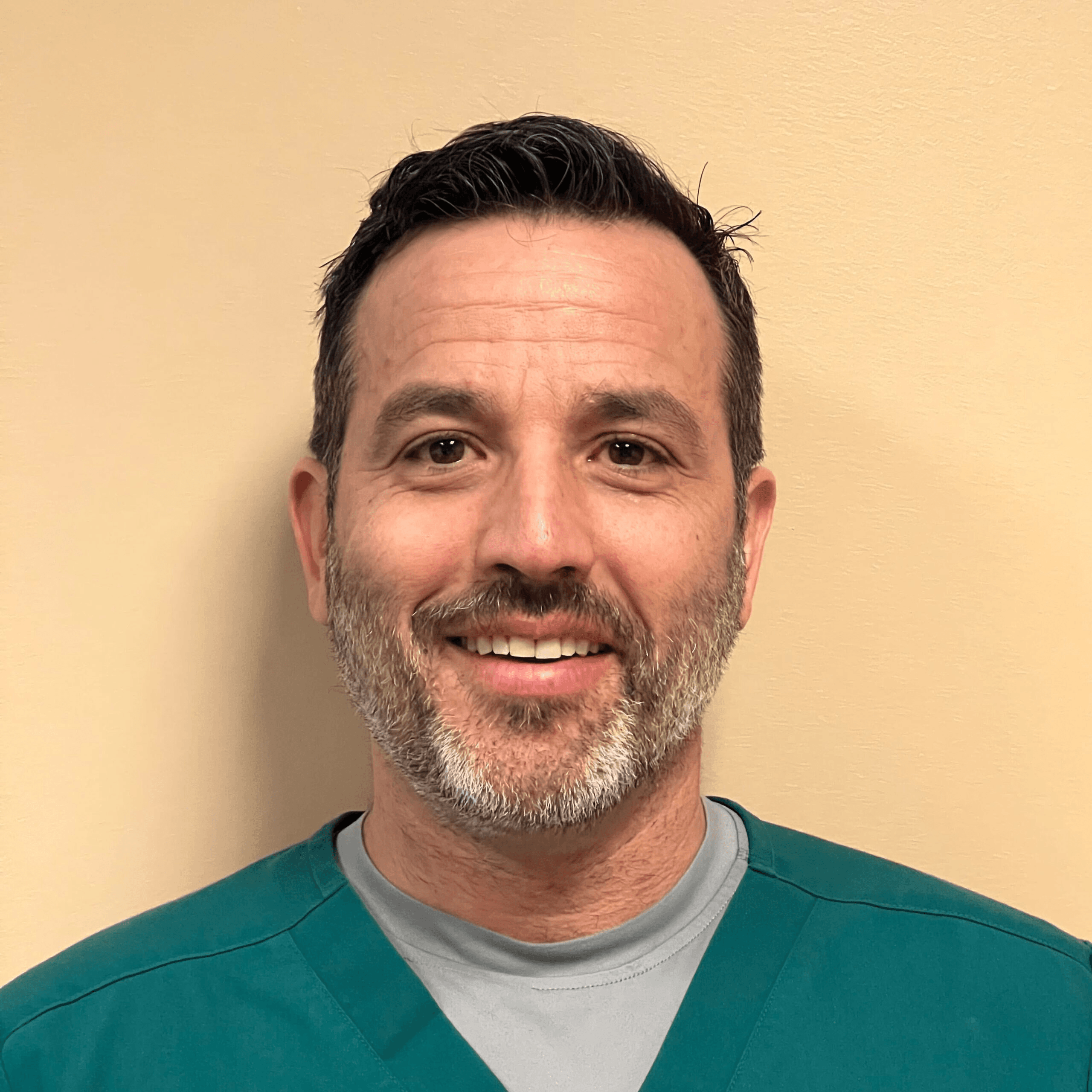
A surgeon discussing Kyphoplasty options with a patient in Florida
Treatment/Treatment Details

Kyphoplasty

Minimally invasive procedure for painful spine fractures from osteoporosis

Experiencing Spine Pain?

Get expert relief — we'll call you to schedule

Free consultation • Same-day callbacks • No obligation

Relief for Compression Fractures

Kyphoplasty is a minimally invasive procedure used to treat painful vertebral compression fractures—often related to osteoporosis or trauma. At Mountain Spine & Orthopedics, this advanced treatment stabilizes the fracture, reduces pain, and improves function when conservative care isn't enough. A small balloon (bone tamp) is used to create space in the vertebra, then bone cement (PMMA) stabilizes the fracture site.

Explore Spine Conditions & Treatments

View all spine conditions and treatment options →

Who Benefits from Kyphoplasty?

  • Patients with vertebral compression fractures from osteoporosis
  • Individuals with trauma-related compression fractures
  • Those with cancer metastasis to the spine causing fractures
  • Patients with persistent pain limiting function despite non-surgical care
  • Individuals with fractures confirmed by imaging (MRI or CT) correlating with pain
  • Those without uncontrolled infection or unstable neurologic compromise
Medical illustration of Kyphoplasty procedure at Mountain Spine & Orthopedics.

The Kyphoplasty Procedure

  1. The procedure is performed using X-ray guidance (fluoroscopy) for precision
  2. A small incision is made in the back and a needle inserted into the collapsed vertebra
  3. A balloon (bone tamp) is inserted and inflated to create space and restore height
  4. The balloon is removed and bone cement (PMMA) is carefully injected to stabilize the fracture
  5. The cement hardens quickly, providing immediate structural support
  6. Procedure typically takes 30-60 minutes per level and is often outpatient or with overnight observation

Benefits of Kyphoplasty

  • Rapid pain relief (often within 24-48 hours)
  • Outpatient or short-stay procedure—most go home same day
  • Minimally invasive with small incision and quick recovery
  • Improves mobility and function, allowing return to daily activities
  • May restore some vertebral height, reducing spinal deformity
  • Low complication rate when performed by experienced specialists

Recovery Timeline

Recovery Timeline: Same Day to 1 Week

Many patients go home the same day. Activity is gradually increased based on comfort and physician guidance. Most experience significant pain relief within 48 hours as the cement stabilizes the fracture. Walking and light activities can resume quickly. Avoid heavy lifting and high-impact activities for several weeks. Physical Therapy may be recommended to improve strength and mobility.

Frequently Asked Questions

Is kyphoplasty the same as vertebroplasty?

Similar procedures with one key difference: kyphoplasty uses a balloon to create space and potentially restore some vertebral height before injecting cement, while vertebroplasty injects cement directly. Kyphoplasty may provide better height restoration but both effectively stabilize fractures.

Will kyphoplasty fix my osteoporosis?

No, kyphoplasty stabilizes the fracture but doesn't treat the underlying osteoporosis. You'll still need medical management (calcium, vitamin D, bone-strengthening medications) to prevent future fractures.

How fast does pain improve after kyphoplasty?

Many patients experience significant pain relief within 24-48 hours as the cement stabilizes the fracture. However, results vary—some may take a week or more to notice improvement. Overall function typically improves within 2-4 weeks.

What are the risks of kyphoplasty?

Risks include cement leakage (usually without symptoms), infection (rare), bleeding, nerve irritation, and adjacent level fractures. The procedure has a strong safety record when performed by experienced specialists using imaging guidance.

Do I need physical therapy after kyphoplasty?

Sometimes. PT depends on your functional status and stability. Many patients benefit from gentle strengthening and balance exercises to prevent falls and improve bone health. Your specialist will determine if formal PT is needed.

Schedule a Consultation Today

Consider kyphoplasty if pain remains severe and limiting after conservative management, especially when imaging confirms an acute or subacute fracture. Schedule a consultation today. Free MRI review available.

Locations Offering Evaluation

Our board-certified specialists offer kyphoplasty evaluation and treatment at locations across Florida, New Jersey, New York, and Pennsylvania. Schedule a consultation at a clinic near you.