Back Pain Treatment Options
We offer a range of advanced back pain treatments, starting with non-surgical options and medication. When conservative care isn't enough, we provide minimally invasive procedures such as microdiscectomy, cervical discectomy, and artificial disc replacement to relieve nerve compression. For more complex cases, traditional surgeries like spinal fusion or laminectomy may be necessary. Our focus is on restoring mobility, reducing pain, and helping you get back to daily life with lasting relief.
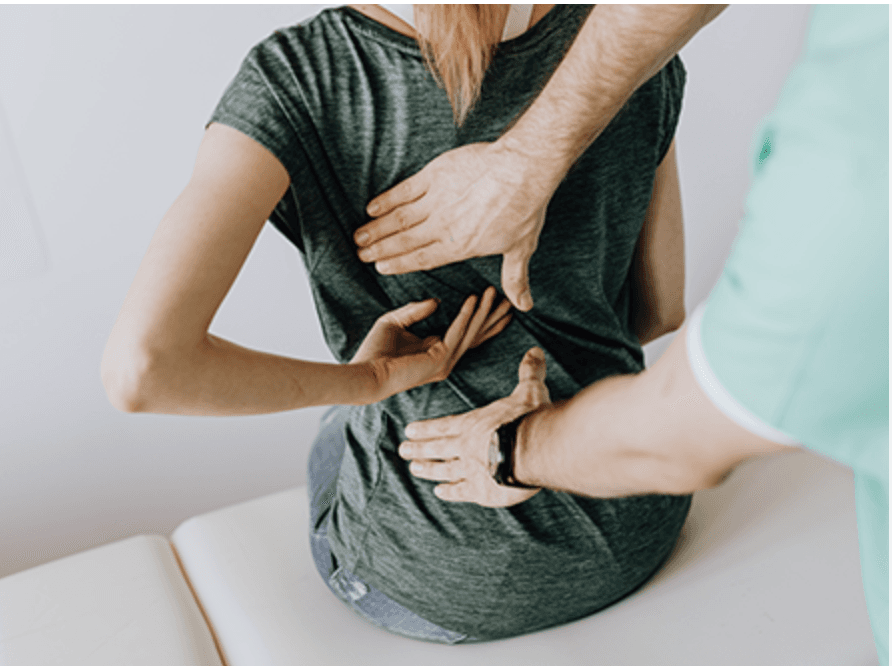
About Back Pain Treatment Options
What Back Pain Treatments Are Available?
At Mountain Spine & Orthopedics, we specialize in personalized back pain care, starting with conservative options like rehabilitation planning, medications, and lifestyle adjustments. For more severe cases, we offer advanced minimally invasive spine surgery techniques that reduce tissue disruption, shorten recovery times, and provide lasting relief.
If you're struggling with persistent or worsening back pain, our team is here to help. Use our quick and easy condition checker to determine whether you may be a candidate for evaluation or treatment.
Top Back Pain & Spine Procedures at Mountain Spine & Orthopedics
- Transforaminal Lumbar Interbody Fusion (TLIF): Stabilizes the spine by removing a damaged disc and inserting a bone graft or spacer, relieving nerve pressure.
- Lumbar Laminectomy: Removes a portion of vertebral bone (lamina) to decompress nerves, often used to treat spinal stenosis.
- Lumbar Fusion: Joins two or more vertebrae together to treat degenerative disc disease or spondylolisthesis.
- Lumbar Disc Replacement: Replaces a damaged disc with an artificial one to preserve motion and reduce pain.
- Coccygectomy: Removes the tailbone in severe, chronic coccydynia cases unresponsive to conservative treatment.
- Minimally Invasive Surgery: Includes TLIF, laminectomy, and others performed through small incisions for quicker recovery.
How Is Back Pain Treated Without Surgery?
Not all back pain requires surgery. Many patients respond well to non-invasive treatment options such as:
- Steroid Injections: Reduce inflammation and provide temporary relief.
- Medications: NSAIDs, muscle relaxants, and analgesics ease discomfort and tension.
- Alternative Therapies: Acupuncture, TENS, tai chi, and chiropractic care can improve circulation and reduce nerve pain.
- Hot & Cold Therapy: Cold packs reduce swelling, while heat relaxes muscles and increases flexibility.
- Weight Management: Maintaining a healthy weight helps reduce strain on the spine and prevent flare-ups.
Common Causes of Chronic Back Pain
Chronic back pain is defined as pain lasting 12 weeks or longer, even after the initial cause has been treated. It can be caused by:
- Herniated or Bulging Discs: Disc material presses on nerve roots, causing inflammation and pain.
- Spinal Stenosis: Narrowing of the spinal canal compresses nerves and leads to chronic discomfort.
- Degenerative Disc Disease: Disc breakdown over time leads to stiffness, inflammation, and instability.
- Facet Joint Dysfunction: Irritation in the small joints between vertebrae creates localized back pain.
- Muscle Strains: Caused by overuse, poor posture, or improper lifting.
- Traumatic Injury: Fractures or direct trauma may result in long-term pain.
Signs Your Back Pain May Be Worsening
You should consult a spine specialist if you notice:
- Persistent Pain: Lasting more than a few weeks
- Limited Mobility: Struggling with walking, bending, or lifting
- Increased Pain After Rest: Pain worsens with inactivity or bed rest
- Radiating Symptoms: Numbness, weakness, or shooting pain in the legs or arms
How to Prevent Back Pain with Lifestyle Habits
A healthy lifestyle plays a key role in preventing chronic back pain. Here's what we recommend:
- Exercise Regularly: Strengthen your core and improve flexibility
- Eat a Balanced Diet: Choose anti-inflammatory foods to support joint health
- Maintain Good Posture: Adjust your seating and work environment
- Avoid Heavy Lifting: Or use proper lifting techniques
- Stay Active: Avoid prolonged sitting or sedentary habits
Frequently Asked Questions About Treating Back Pain
What's the recovery time for minimally invasive back surgery?
- Most patients recover faster than with traditional surgery returning to activity within weeks.
Are minimally invasive surgeries effective?
- Yes, they offer the same or better outcomes with less pain and faster recovery.
Will I need outside rehabilitation after surgery?
- In most cases, yes. Your surgeon will refer you to trusted PT specialists who help strengthen muscles and improve mobility.
What are the risks of spinal surgery?
- Risks are low, especially with minimally invasive techniques, but may include infection or incomplete relief.
Can physical activity worsen my back pain?
- Not if done correctly. Guided exercise helps reduce pain over time and prevent reinjury.
Back Pain Doesn't Have to Control Your Life
Call us today at (866) 272-9271 or fill out our online form to schedule your consultation. Relief may be closer than you think.
Ready to Get Started?
Don't let pain hold you back. Our Florida orthopedic specialists are here to help you get back to the activities you love.
Possible Causes We Evaluate
These conditions may cause back pain treatment options symptoms:
Treatments We May Recommend
Depending on your diagnosis, we may recommend: