
Pain from Foraminal Stenosis (Pinched Nerve)
If you have sharp, radiating pain, numbness, or weakness in an arm or leg, it could be caused by a 'pinched nerve' from a condition called foraminal stenosis.
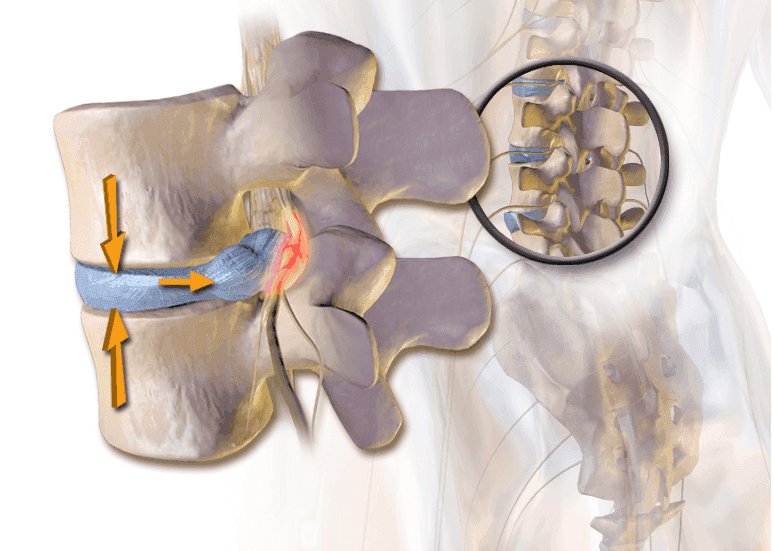
About Pain from Foraminal Stenosis (Pinched Nerve)
Understanding Foraminal Stenosis
Foraminal stenosis is a specific type of spinal stenosis where the openings between your spinal bones (vertebrae), called the neural foramina, become narrow. These openings are crucial because they provide the pathway for your spinal nerves to exit the spinal cord and travel to other parts of your body, like your arms and legs.
When a foramen narrows, it can squeeze or 'pinch' the nerve passing through it. This nerve compression is what leads to the characteristic symptoms of foraminal stenosis, such as pain, numbness, tingling, or weakness that radiates away from the spine along the path of the affected nerve. The location of symptoms depends on which nerve is compressed – neck (cervical) stenosis affects the arms, while lower back (lumbar) stenosis affects the legs (often called sciatica).
Common causes include age-related wear and tear like bone spurs (bony growths), bulging or herniated discs pushing into the space, thickening of spinal ligaments, or a vertebra slipping out of place (spondylolisthesis). If you're experiencing radiating symptoms, understanding the cause is the first step toward effective treatment.
How Is Foraminal Stenosis Diagnosed?
Diagnosing foraminal stenosis accurately requires a combination of understanding your symptoms and using advanced imaging. Our specialists at Mountain Spine Orthopedics begin with a detailed discussion about your pain pattern, numbness, weakness, and what activities make your symptoms better or worse. A thorough neurological exam follows, testing your reflexes, muscle strength, and sensation to pinpoint which nerve might be affected.
Imaging plays a vital role. While X-rays can show bone alignment and arthritis, an MRI (Magnetic Resonance Imaging) is usually the preferred test. It provides clear pictures of soft tissues, including nerves and discs, showing exactly where and how severely the nerve is being compressed within the foramen. We offer complimentary MRI reviews to help assess your condition. In some cases, a CT (Computed Tomography) scan might be used for better bone detail, or nerve conduction studies (EMG/NCS) might assess nerve function directly.
Managing Pain from Foraminal Stenosis
The goal of managing foraminal stenosis pain is to reduce nerve compression and inflammation. Conservative, non-surgical approaches are typically tried first:
- Activity Modification: Avoiding activities that worsen symptoms.
- Medications: Over-the-counter or prescription nonsteroidal anti-inflammatory drugs (NSAIDs) like ibuprofen or naproxen can reduce pain and swelling.
- Outside Rehabilitation Guidance: Specific exercises can help improve flexibility, strengthen supporting muscles (core, back), and improve posture, potentially creating more space for the nerve.
- Epidural Steroid Injections: Corticosteroid medication injected near the compressed nerve can provide significant, though often temporary, relief from inflammation and pain.
If these methods don't provide adequate relief, or if there is progressive weakness, surgical options might be considered. Our focus is on effective pain relief tailored to your specific situation.
What Causes Foraminal Stenosis?
Foraminal stenosis is most often caused by the natural aging process and degenerative changes in the spine. As we age, various structures can encroach upon the neural foramina:
- Bone Spurs (Osteophytes): The body may grow extra bone around joints affected by arthritis, narrowing the foraminal space.
- Herniated or Bulging Discs: The soft discs between vertebrae can bulge or rupture, pushing disc material into the foramen and compressing the nerve.
- Thickened Ligaments: Ligaments within the spinal canal can thicken and stiffen over time, reducing the available space.
- Spondylolisthesis: One vertebra slips forward relative to the one below it, potentially narrowing the foramen at that level.
- Facet Joint Arthritis: Enlargement of the small joints connecting vertebrae (facet joints) due to arthritis can also contribute to foraminal narrowing.
Less common causes include spinal injuries, tumors, or cysts. Understanding the specific cause is key to choosing the right treatment.
Risk Factors for Developing Foraminal Stenosis
While anyone can develop foraminal stenosis, certain factors increase your risk:
- Age: It's most common in individuals over 50 due to cumulative wear and tear.
- Degenerative Conditions: Osteoarthritis, degenerative disc disease are major contributors.
- Spinal Deformities: Conditions like scoliosis can alter spinal mechanics and increase stress.
- Previous Spinal Injury: Trauma can accelerate degenerative changes or directly narrow the foramina.
- Genetics: Some individuals may have a hereditary predisposition to spinal degeneration.
- Lifestyle Factors: Obesity puts extra stress on the spine, and smoking can impair disc health. Repetitive strain from certain jobs or activities may also play a role.
Being aware of these factors can help in early recognition and management.
Surgical Treatments for Foraminal Stenosis
Treatment for foraminal stenosis aims to relieve nerve pressure and reduce symptoms. The approach depends on symptom severity and cause. After conservative treatments have been explored, surgical options may be considered:
- Foraminotomy: A minimally invasive procedure where bone or tissue compressing the nerve within the foramen is removed, enlarging the opening.
- Laminotomy/Laminectomy: Removal of a small portion (laminotomy) or the entire lamina (laminectomy) - part of the vertebral bone - to create more space, often combined with foraminotomy.
- Spinal Fusion: May be necessary in cases of instability (like spondylolisthesis) often performed alongside decompression procedures.
At Mountain Spine Orthopedics, our surgeons specialize in minimally invasive techniques whenever possible. These approaches often involve smaller incisions, less muscle disruption, reduced blood loss, and potentially faster recovery times compared to traditional open surgery. We tailor the treatment plan to provide the most effective relief for your specific condition.
Frequently Asked Questions About Foraminal Stenosis
Is foraminal stenosis serious?
While often manageable with conservative care, severe or progressive foraminal stenosis can lead to chronic pain, significant weakness, numbness, and loss of function if left untreated. In rare cases involving the lower spine, severe compression can affect bowel or bladder control (cauda equina syndrome), which is a medical emergency. Early diagnosis and treatment are important.
Can foraminal stenosis heal on its own?
The underlying structural narrowing (like bone spurs or thickened ligaments) typically does not resolve on its own. However, symptoms can sometimes improve or fluctuate with conservative treatments that reduce inflammation (like injections) or improve biomechanics (like outside rehabilitation), effectively managing the condition without surgery.
What activities should be avoided with foraminal stenosis?
Activities that worsen your specific symptoms should generally be avoided or modified. This often includes high-impact activities (like running on hard surfaces), heavy lifting with improper form, prolonged sitting or standing without breaks, and activities involving excessive twisting or extension of the affected spinal region. A physical therapist can provide personalized guidance.
Schedule Your Consultation
Radiating nerve pain, numbness, or weakness shouldn't limit your life. The expert team at Mountain Spine Orthopedics offers comprehensive evaluation and cutting-edge treatments for foraminal stenosis, from conservative care to advanced minimally invasive surgery.
Take the first step towards relief. Contact us to schedule your consultation, benefit from a complimentary MRI review, and receive a free second opinion from our spine specialists. Call us today or use our online form to request an appointment.
Ready to Get Started?
Don't let pain hold you back. Our Florida orthopedic specialists are here to help you get back to the activities you love.
Possible Causes We Evaluate
These conditions may cause pain from foraminal stenosis (pinched nerve) symptoms:
Treatments We May Recommend
Depending on your diagnosis, we may recommend: