Relief for Coccydynia (Tailbone Pain)

Relief for Coccydynia (Tailbone Pain)
If sitting has become a painful ordeal because of tailbone pain, you may have a condition called coccydynia. This sharp, localized pain at the very bottom of your spine can make everyday activities like driving or working at a desk unbearable.
About Relief for Coccydynia (Tailbone Pain)
What Is Coccydynia?
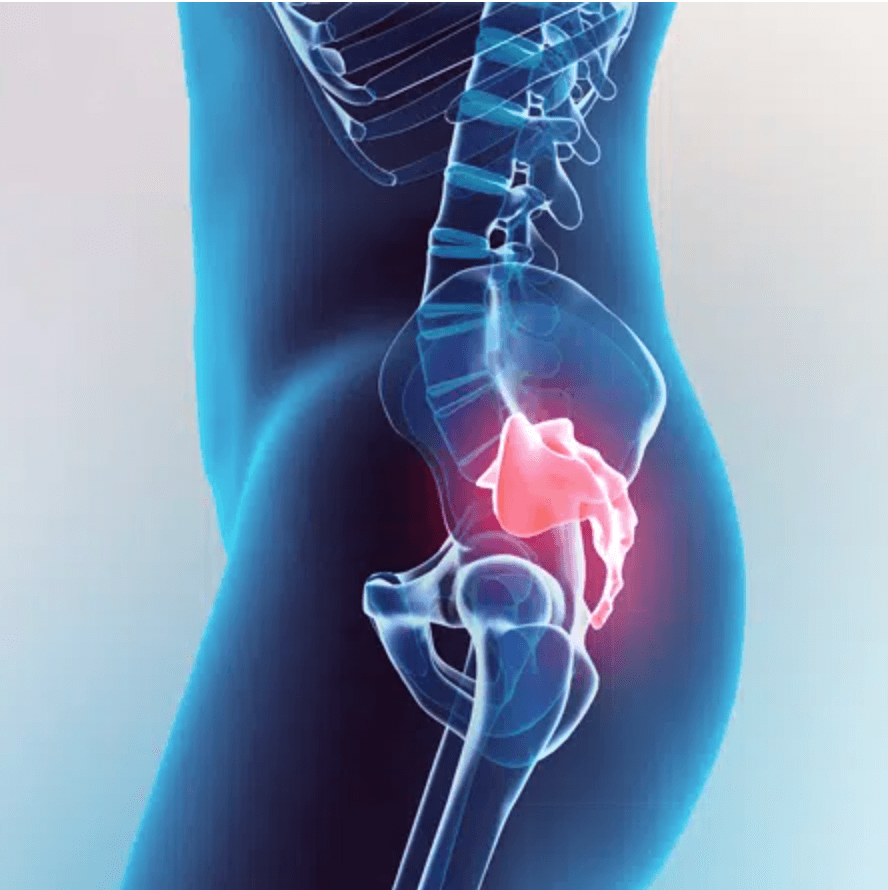
Coccydynia is the medical term for inflammation or injury to the coccyx (tailbone), located at the bottom of the spine. Pain may occur while sitting, standing up from a seated position, or during bowel movements. It can be dull and persistent or sharp and stabbing.
The cause isn't always obvious, but common triggers include a traumatic fall, stressful childbirth, or prolonged pressure from improper sitting posture. Rarely, it may be due to a tumor in the coccyx region. If the pain persists or intensifies, it’s important to consult with a spine specialist.
If you're experiencing symptoms like tailbone pain that worsens when sitting or during bowel movements, you may be dealing with coccydynia. Our diagnostic checker is a fast way to determine whether a specialist evaluation is recommended.
How Is Coccydynia Diagnosed?
Diagnosing coccydynia typically starts with a physical examination and discussion of your symptoms and medical history. Your doctor may gently press on the tailbone area to assess tenderness and rule out other causes of pain. In some cases, imaging tests like X-rays or MRIs are used to identify fractures, joint instability, or signs of inflammation.
Once diagnosed, your provider will recommend a treatment plan based on the severity and duration of symptoms.
Pain Management for Coccydynia
In early cases, coccydynia can be managed with non-surgical treatment. This includes using a wedge or donut-shaped cushion to reduce pressure while sitting, increasing fiber intake, and using stool softeners to minimize discomfort during bowel movements. Over-the-counter anti-inflammatory medications and hot/cold therapy can also help reduce inflammation and pain.
If the pain persists beyond a few weeks, stronger pain relievers, outside rehabilitation, or injections may be recommended. Surgery (coccygectomy) is reserved for severe cases when all other options have failed.
What Causes Coccydynia?
Coccydynia can result from both sudden trauma and long-term strain. Common causes include:
- Falls or direct impact to the tailbone
- Prolonged sitting on hard or unstable surfaces
- Childbirth, especially when prolonged or difficult
- Repetitive strain or poor posture In rare cases, bone tumors or infections may lead to coccyx pain, which is why imaging may be required when pain does not respond to treatment.
Risk Factors for Coccydynia
Several factors increase the risk of developing coccydynia, including being:
- Female (due to childbirth)
- Obese or underweight (both affect sitting posture)
- Sedentary (extended sitting)
- Engaging in high-impact sports or activities Additionally, hormonal changes during pregnancy or aging can loosen the pelvic area and increase tailbone vulnerability.
Treatment Options for Coccydynia
Treatment depends on how long you’ve had symptoms and how severe the pain is. Common treatments include:
- Cushions and posture correction
- Anti-inflammatory medications
- Rehabilitation planning
- Corticosteroid injections
In rare cases, a coccygectomy (surgical removal of the coccyx) may be considered. At Mountain Spine & Orthopedics, we specialize in minimally invasive spine procedures to provide targeted relief while preserving mobility and reducing recovery time.
Frequently Asked Questions About Coccydynia
How is coccydynia pain treated during pregnancy?
Tailbone pain in pregnancy is common and usually caused by the hormone relaxin, which loosens pelvic joints. Using supportive cushions, applying hot/cold therapy, and taking acetaminophen may provide relief. Persistent pain should be evaluated by a spine specialist.
Does walking help coccydynia?
For many, gentle walking can reduce tailbone pressure. But if there’s a fracture or joint instability, walking may worsen the pain. Low-impact stretching or yoga may be a safer option in those cases.
How should I sleep with coccydynia?
Avoid sleeping flat on your back. Instead, sleep on your side with a pillow between your knees. This position minimizes pressure on the coccyx and can improve sleep quality.
Schedule a Consultation Today
Tailbone pain doesn’t have to interfere with your life. At Mountain Spine & Orthopedics, our expert team offers effective, patient-centered solutions for coccydynia from non-surgical therapies to advanced procedures. We’ll help you get to the root of your pain and back to feeling your best.
Call us today at (561) 223-9959 or complete our online form to schedule your consultation.
Ready to Get Started?
Don't let pain hold you back. Our Florida orthopedic specialists are here to help you get back to the activities you love.
Possible Causes We Evaluate
These conditions may cause relief for coccydynia (tailbone pain) symptoms:
Treatments We May Recommend
Depending on your diagnosis, we may recommend: