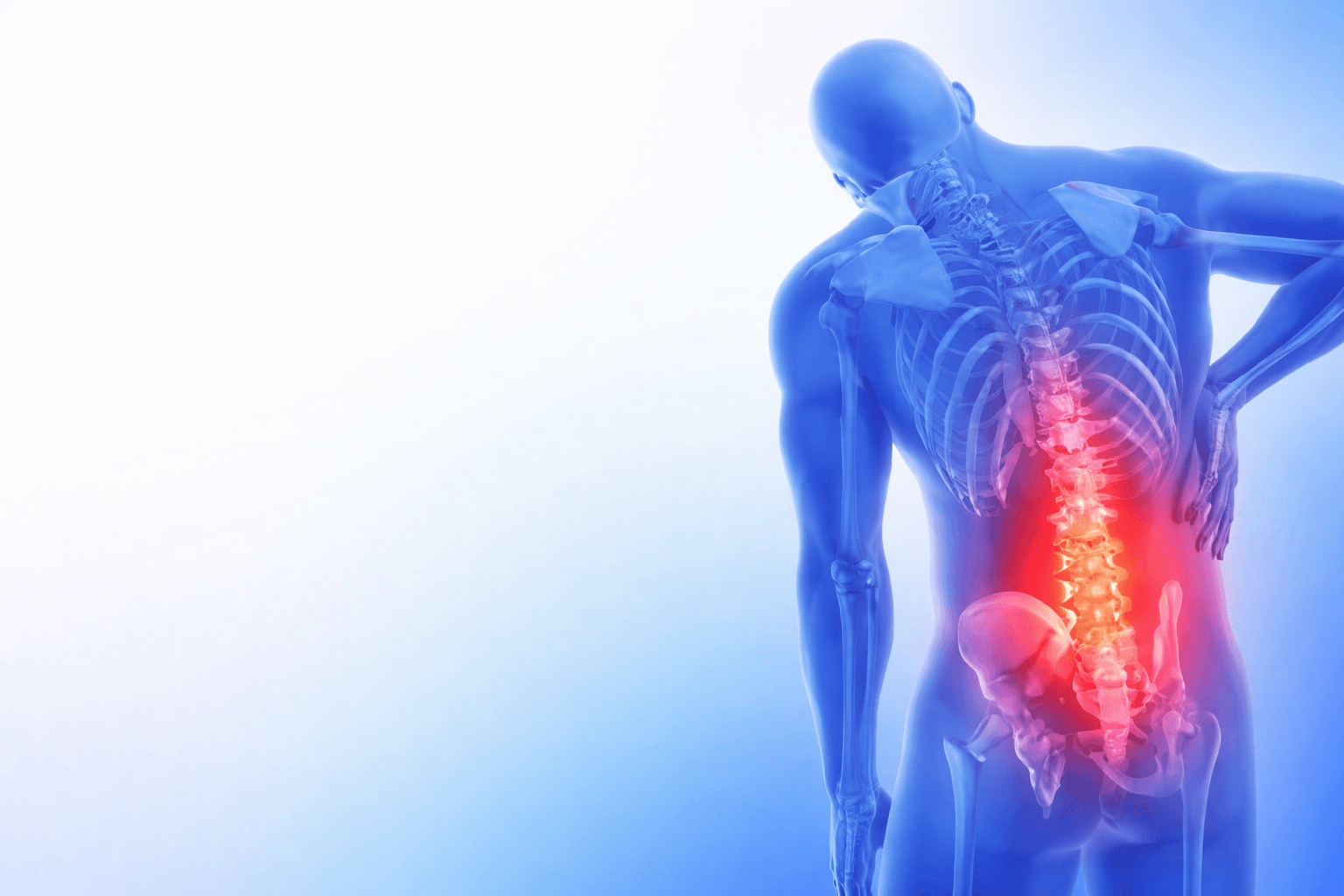
If you’ve been living with shooting leg pain, numbness, or that burning sensation that travels from your lower back all the way down to your foot, you already know what sciatica feels like. The good news: most people with sciatica recover without surgery. The harder truth: some don’t.
When conservative treatments fail — rest, medication, physical therapy, epidural steroid injections — sciatica surgery becomes the next conversation. And it’s one worth having with the right spine specialist.
This guide walks you through exactly when sciatica surgery is necessary, which procedures are used, how long they take, what success rates actually look like, and what a realistic recovery timeline means for your life.
What Is Sciatica? A Quick Primer
Sciatica is not a diagnosis on its own — it’s a symptom. It describes pain, numbness, tingling, or weakness that radiates along the sciatic nerve, which is the longest nerve in the body, running from the lower spine through the buttock and down each leg.
The underlying cause is almost always compression or irritation of a nerve root in the lumbar spine. The most common culprits are:
A herniated or bulging disc pressing against a nerve root
Lumbar spinal stenosis — narrowing of the spinal canal
Spondylolisthesis — a vertebra that has slipped forward
Bone spurs or disc degeneration compressing a nerve
Understanding the underlying cause is critical, because the right type of sciatica surgery depends entirely on what’s compressing the nerve.
When Is Surgery Needed for Sciatica?
The honest answer: most sciatica patients never need surgery. Conservative care — anti-inflammatory medications, targeted physical therapy, and epidural steroid injections — resolves symptoms in the majority of cases within 6 to 12 weeks.
But surgery becomes a serious and appropriate conversation when one or more of the following are true:
1. Pain that hasn’t improved after 6–12 weeks of conservative care
If you’ve done everything right — rest, medication, injections, therapy — and the pain is still significantly disrupting your work, sleep, and daily function, continued non-surgical management is unlikely to change the outcome. That’s a surgery conversation.
2. Progressive neurological weakness
Cauda equina syndrome occurs when a large disc herniation compresses the bundle of nerve roots at the base of the spine. Symptoms include loss of bladder or bowel control, saddle area numbness, and sudden severe bilateral leg weakness. This is a medical emergency requiring immediate surgical decompression — typically within 24 to 48 hours.
3. Cauda equina syndrome — a surgical emergency
When MRI or CT imaging shows a clear structural problem — a large disc herniation, significant stenosis, or nerve root compression — that directly correlates with your symptoms, surgery often provides faster and more durable relief than continuing conservative care.
If you’re unsure where you fall on this spectrum, a Free MRI Review with one of our spine surgeons can help you understand exactly what your imaging shows and what it means for your treatment options.
4. Intractable pain with clear structural cause on imaging
When MRI or CT imaging shows a clear structural problem — a large disc herniation, significant stenosis, or nerve root compression — that directly correlates with your symptoms, surgery often provides faster and more durable relief than continuing conservative care.
If you’re unsure where you fall on this spectrum, a Free MRI Review with one of our spine surgeons can help you understand exactly what your imaging shows and what it means for your treatment options.
Types of Sciatica Surgery
There is no single “sciatica surgery.” The correct procedure depends on the underlying cause of the nerve compression. Here’s a breakdown of the most common approaches:
Lumbar Microdiscectomy — The Most Common Sciatica Surgery
For most sciatica patients, the culprit is a herniated disc pressing on a nerve root. Lumbar microdiscectomy surgery is the gold-standard surgical treatment for this presentation.
Through a small incision — typically less than one inch — a spine surgeon uses a microscope or endoscopic tools to remove the portion of the disc that is compressing the nerve. The majority of the disc is left intact. Only the herniated fragment is removed.
Microdiscectomy is highly targeted, carries minimal risk to surrounding structures, and produces consistent results. Most patients wake up with immediate improvement in leg pain — the nerve root decompression is felt almost right away.
Laminectomy / Lumbar Decompression
When sciatica is caused by lumbar spinal stenosis — a narrowing of the spinal canal that squeezes the nerve roots — a laminectomy is often the recommended procedure.
The surgeon removes a portion of the lamina (the bony arch on the back of the vertebra) and any thickened ligament or bone spur that is constricting the spinal canal. This creates more space for the nerves, relieving the compression.
Laminectomy is sometimes performed alongside spinal fusion when spinal instability is also present. If stenosis is the driver of your sciatica and you haven’t responded to injections or conservative care, decompression surgery has strong outcome data behind it.
Endoscopic Discectomy
Endoscopic discectomy is a minimally invasive variation of the microdiscectomy that uses a small camera (endoscope) and tiny instruments inserted through a narrow tube. It requires an even smaller incision than traditional microdiscectomy and results in less muscle disruption.
Not every patient is a candidate — endoscopic approaches work best for specific disc herniation patterns — but for the right candidate, recovery is faster and post-operative pain is reduced compared to open techniques.
Spinal Fusion for Sciatica
In cases where sciatica is driven by spinal instability, severe degenerative disc disease, or spondylolisthesis, decompression alone may not be sufficient. Spinal fusion may be performed in combination with decompression to stabilize the affected segment and prevent recurrence. Anterior lumbar interbody fusion — known as ALIF surgery — is one approach used when the anterior column needs reconstruction alongside nerve decompression.
Fusion surgery carries a longer recovery than microdiscectomy alone and is reserved for cases where instability or deformity is a primary component of the problem. Your surgeon will walk through whether fusion is indicated based on your imaging and clinical presentation.
How Long Does Sciatica Surgery Take?
One of the most common questions patients ask before scheduling surgery. The answer depends on the procedure:
Lumbar microdiscectomy: typically 45 minutes to 1.5 hours under general anesthesia. It is almost always performed as an outpatient procedure, meaning you go home the same day.
Laminectomy / decompression: usually 1 to 2 hours, depending on the number of levels being treated. May be outpatient or an overnight hospital stay.
Endoscopic discectomy: approximately 45 minutes to 1 hour, outpatient.
Combined decompression with spinal fusion: 2 to 4 hours depending on the approach and number of levels fused. Typically requires a 1 to 2 night hospital stay.
Total time from check-in to discharge for a standard microdiscectomy is usually 4 to 6 hours including pre-op preparation and recovery room monitoring. Most patients are walking the same day.
Sciatica Surgery Success Rate
Sciatica surgery, when performed on the right candidate for the right reason, has very strong outcome data. Here is what the research consistently shows:
Microdiscectomy for herniated disc sciatica
The results are particularly strong for radicular leg pain compared to axial back pain — which is why patient selection matters. If your dominant symptom is the shooting leg pain and numbness rather than back pain alone, microdiscectomy has excellent data.
Laminectomy for spinal stenosis sciatica
For sciatica caused by spinal stenosis, lumbar decompression surgery produces meaningful improvement in leg pain and walking capacity. Long-term results depend on whether instability develops over time, which is why some patients ultimately require fusion.
Important context on success rates
Surgery relieves nerve compression — but it does not reverse nerve damage that has already occurred from prolonged compression. Patients who wait too long after progressive weakness develops may not recover full function even after a successful surgery. This is one of the most important reasons not to delay a consultation when neurological symptoms are progressing.
Sciatica Surgery Recovery: What to Expect Week by Week
Recovery after sciatica nerve surgery varies by procedure, but here is a realistic week-by-week timeline for the most common procedure — lumbar microdiscectomy.
Week 1: Early recovery
Most microdiscectomy patients go home the same day. Leg pain from the sciatic nerve often improves immediately or within the first 24 to 48 hours as the nerve root decompresses. Some soreness at the incision site and back muscle fatigue is expected. Light walking is encouraged from day one.
Weeks 2–4: Return to light activity
The majority of patients return to sedentary desk work within 2 to 4 weeks. Driving typically resumes after 2 weeks. Physical limitations include avoiding bending, twisting, or lifting more than 5 to 10 pounds. Nerve healing continues during this period — some tingling or numbness may persist even as overall function improves.
Weeks 4–8: Graduated return to normal activity
Light physical work and non-impact activity like walking typically resume around 4 to 6 weeks. Formal physical therapy often begins here to rebuild core strength and protect the spine. Most patients doing office work are fully functional by week 6.
Weeks 8–12: Return to physical and manual work
Physically demanding jobs — construction, nursing, labor — typically clear patients at 8 to 12 weeks. Full athletic return, including lifting and high-impact activity, is generally cleared between 3 and 6 months depending on the procedure and individual healing.
Important: nerve healing is not linear. Numbness and tingling in the leg can take 6 to 12 months to fully resolve even when surgery was completely successful. Do not judge your outcome at 6 weeks — give the nerve time.
Is Sciatica Surgery Worth It?
For the right patient at the right time, the answer from the data and from thousands of patient outcomes is yes.
Sciatica surgery is not for everyone. It is not a first resort, and it is not appropriate for patients who have not completed a genuine course of conservative treatment. But when the structural cause is clear, when neurological symptoms are progressing, or when months of conservative care have failed to provide relief, surgery offers a direct solution that nothing else can: it removes the physical compression on the nerve.
Patients who benefit most from sciatica nerve surgery tend to share a common profile: dominant leg pain rather than back pain, a clear structural cause on imaging, and symptoms that are disrupting daily life or work. If that describes you, a consultation with a board-certified spine surgeon is not a commitment to surgery — it’s information.
At Mountain Spine & Orthopedics, our spine surgeons evaluate every sciatica case individually. We offer Free MRI Review for patients who want a clear, expert second set of eyes on their imaging before making any decisions.