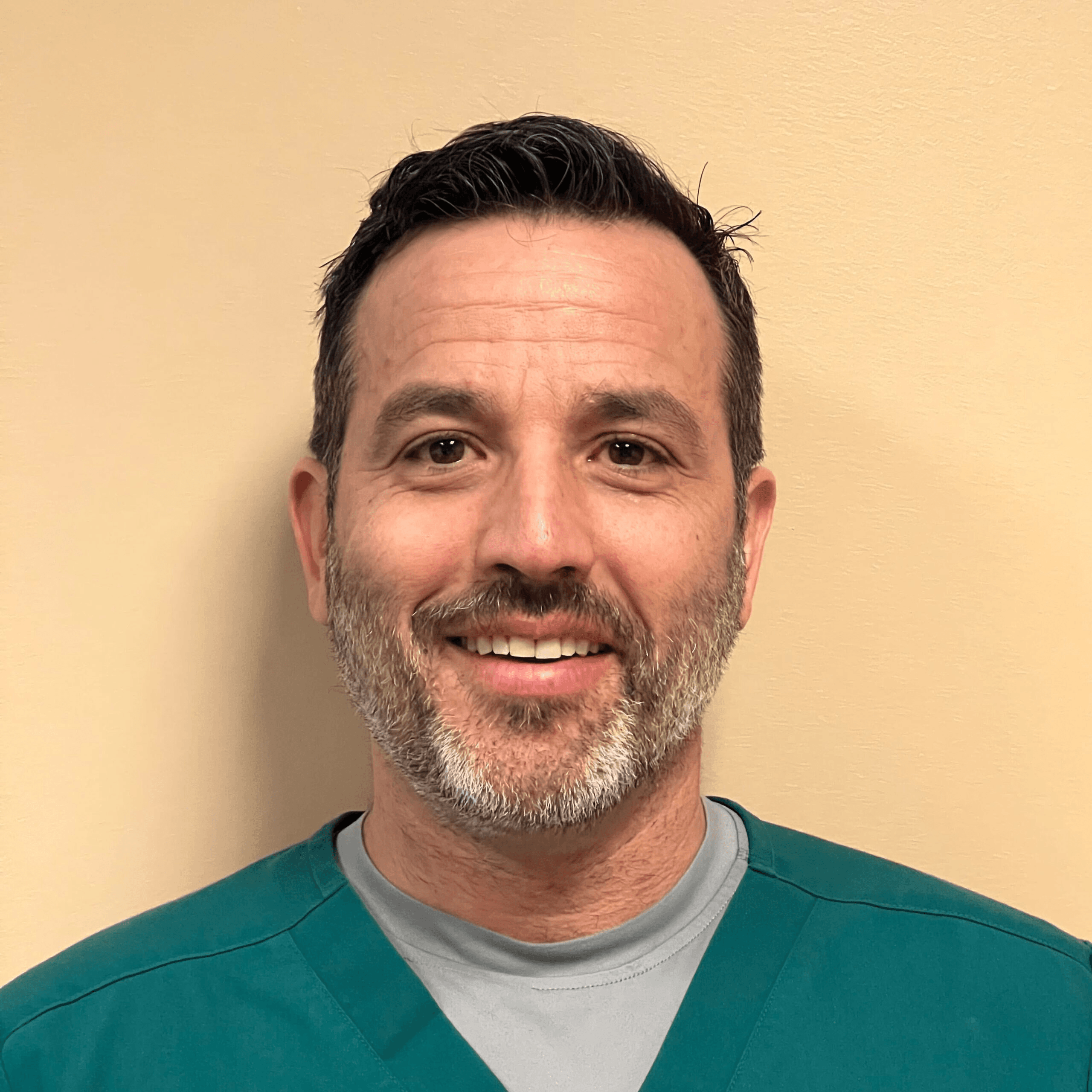
A surgeon discussing Hip Resurfacing Surgery options with a patient in Florida
Treatment/Treatment Details

Hip Resurfacing Surgery

Hip resurfacing preserves the femoral head while replacing only the joint surfaces, ideal for young, active patients with hip arthritis.

Experiencing Hip Pain?

Get expert relief — we'll call you to schedule

Free consultation • Same-day callbacks • No obligation

Bone-Preserving Alternative to Total Hip Replacement

Hip Resurfacing is a bone-preserving alternative to total hip replacement that involves reshaping and capping the femoral head rather than removing it. This procedure is particularly well-suited for young, active patients with hip arthritis who want to maintain an active lifestyle.

During hip resurfacing, the damaged surface of the femoral head is reshaped and covered with a metal cap, while the hip socket is replaced with a metal component. This approach preserves more natural bone, potentially making future revision surgery easier if needed. The metal-on-metal bearing surface is designed to withstand high activity levels.

At Mountain Spine & Orthopedics, our hip specialists carefully evaluate each patient to determine if hip resurfacing is appropriate, considering factors like age, activity level, bone quality, and anatomy. This minimally invasive procedure can provide excellent outcomes for the right candidates.

Explore Hip Conditions & Treatments

View all hip conditions and treatment options →

Ideal Candidates for Hip Resurfacing

  • Young, active patients (typically under 60) with hip arthritis
  • Athletes or individuals with high activity demands who want to maintain an active lifestyle
  • Patients with good bone quality and appropriate anatomy
  • Those who want to preserve bone for potential future procedures
  • Patients with avascular necrosis in early stages before collapse
  • Individuals without significant bone loss or deformity
  • Those who understand the risks and benefits compared to total hip replacement

What Conditions does Hip Resurfacing Surgery Help Ease?

This procedure may help with:

Hip resurfacing procedure preserving femoral head

How Hip Resurfacing is Performed

  1. An incision is made to access the hip joint (typically posterior approach)
  2. The femoral head is reshaped using specialized instruments to create a smooth surface
  3. A metal cap is precisely fitted over the reshaped femoral head
  4. The hip socket (acetabulum) is prepared and a metal shell is implanted
  5. The components are tested to ensure proper fit and range of motion
  6. The hip is closed and the patient begins immediate rehabilitation

Benefits of Hip Resurfacing Surgery

  • Preserves more natural bone than total hip replacement
  • Allows return to high-impact activities for appropriate patients
  • Potentially easier revision surgery if needed in the future
  • Maintains more natural hip biomechanics
  • Durable metal-on-metal bearing surface
  • Excellent outcomes for young, active patients

Recovery and Return to Activity

Recovery Timeline: 3-6 Months for Full Activity Return

Recovery from hip resurfacing is similar to total hip replacement but may allow for earlier return to high-impact activities in appropriate patients.

Phase 1 (Weeks 1-2): Hospital discharge, walking with assistive device, basic range of motion exercises, and wound care. Most patients go home within 1-2 days.

Phase 2 (Weeks 2-6): Progressive weight-bearing, strengthening exercises, and gradual return to daily activities. Most patients return to driving in 3-6 weeks.

Phase 3 (Months 2-3): Advanced strengthening, return to most daily activities, and initiation of low-impact exercise.

Phase 4 (Months 3-6): Full recovery with return to high-impact activities for appropriate patients. The metal-on-metal bearing is designed to withstand running and jumping activities.

Frequently Asked Questions

What is hip resurfacing?

Hip resurfacing is an alternative to total hip replacement that caps the femoral head with a metal surface rather than removing it. The acetabulum is also resurfaced with a metal cup. It preserves more bone than traditional replacement.

Who is a candidate for hip resurfacing?

Ideal candidates are younger, active males under 60 with good bone quality, large femoral heads, and hip arthritis. Women, patients with osteoporosis, kidney disease, or metal allergies are not ideal candidates due to higher failure rates.

What are the benefits of hip resurfacing over replacement?

Benefits include bone preservation allowing easier revision if needed, more natural hip biomechanics with larger head size reducing dislocation risk, and potentially better activity tolerance. However, long-term outcomes favor traditional total hip replacement.

What are the risks of hip resurfacing?

Risks include metal ion release into bloodstream (metallosis), femoral neck fracture, higher revision rates in women, and all standard hip surgery risks (infection, dislocation, nerve injury). Metal sensitivity testing may be recommended.

How long does hip resurfacing last?

Survival rates are approximately 85-95% at 10 years in optimal candidates (young males). However, traditional hip replacements show better long-term outcomes. The procedure has declined in popularity due to concerns about metal-on-metal bearings.

Schedule a Consultation Today

Young and active with hip arthritis? Our hip specialists offer hip resurfacing as a bone-preserving alternative. Schedule a consultation with Mountain Spine & Orthopedics today. Same-day and next-day appointments are often available.

Locations Offering Evaluation

Our board-certified specialists offer hip resurfacing surgery evaluation and treatment at locations across Florida, New Jersey, New York, and Pennsylvania. Schedule a consultation at a clinic near you.