Cervical Degenerative Disc Disease
Chronic neck stiffness and a nagging ache that won't go away are often signs of 'wear and tear' on the discs in your neck. This is known as cervical degenerative disc disease, a common condition that can affect your daily comfort and mobility.
About Cervical Degenerative Disc Disease
What is Degenerative Disc Disease?
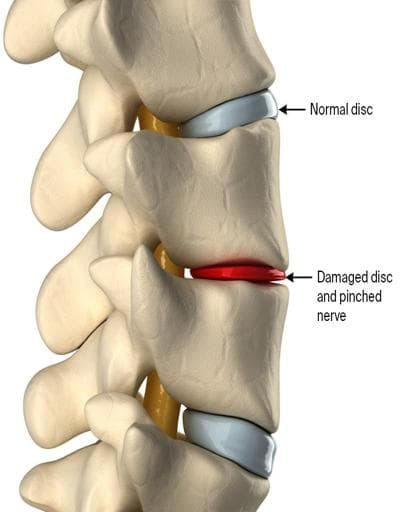
Degenerative Disc Disease is a spinal condition caused by age-related breakdown of the discs that cushion the vertebrae. These discs act like shock absorbers, allowing your spine to flex, bend, and twist. Over time, discs can lose water content, flatten, and develop small tears, reducing their ability to support your spine and absorb impact. Unlike acute injuries, DDD develops slowly over time and is especially common in individuals over 40. However, it can also affect younger individuals with physically demanding lifestyles or spinal injuries.
To diagnose DDD, our specialists begin with a full medical history and physical exam, followed by advanced imaging such as X-rays or MRI scans to evaluate disc height, disc shape, and any signs of degeneration. We also assess nerve function and spinal alignment to understand the full extent of the damage. Diagnosis may involve ruling out other conditions, such as herniated discs or spinal stenosis, that share similar symptoms.
Symptoms of Degenerative Disc Disease
Symptoms vary depending on the location and severity of the disc degeneration. Common signs include chronic lower back or neck pain that worsens with bending, twisting, or prolonged sitting. Some patients find relief when walking or changing positions. Others may experience muscle weakness or numbness in the arms or legs if nerve compression occurs. Many people also report stiffness or reduced flexibility in the spine. The pain may be intermittent, flaring up during activity and easing with rest.
Risk Factors for Degenerative Disc Disease
You may be at higher risk for DDD if you are over the age of 40, smoke, or lead a sedentary lifestyle. A history of spinal injuries or trauma can increase your risk, especially if paired with poor posture or spinal misalignment. Genetic factors also contribute, and individuals with a family history of spine-related conditions are more likely to develop DDD. Identifying these risk factors early can help slow the progression of the disease and guide preventative care.
Treatment Options for Degenerative Disc Disease
At Mountain Spine & Orthopedics, we create personalized treatment plans tailored to your condition and lifestyle. Treatment options may include outside rehabilitation to improve strength, flexibility, and posture, as well as medications like non-steroidal anti-inflammatory drugs (NSAIDs) to reduce pain and swelling. For patients with nerve irritation, epidural steroid injections can offer targeted relief. Other approaches may include chiropractic care or spinal manipulation therapy. In more severe cases, minimally invasive spine surgery may be recommended to stabilize the spine and relieve nerve pressure. Our goal is to relieve your pain and restore spine stability while avoiding unnecessary surgery whenever possible.
Schedule a Consultation Today
If you're experiencing persistent back or neck pain, don't wait to seek help. Degenerative Disc Disease is manageable with the right care plan and professional guidance. At Mountain Spine & Orthopedics, our experienced spine specialists are here to evaluate your condition, offer expert recommendations, and guide you toward long-term relief.
Call us today at (561) 223-9959 or fill out our online form to schedule your consultation. Let's work together to get your spine and your life back on track.
Ready to Get Started?
Don't let pain hold you back. Our Florida orthopedic specialists are here to help you get back to the activities you love.
Possible Causes We Evaluate
These conditions may cause cervical degenerative disc disease symptoms:
Treatments We May Recommend
Depending on your diagnosis, we may recommend: