
Neck Pain & Numbness from Cervical Spinal Stenosis
If you're experiencing neck pain along with numbness in your hands, clumsiness, or balance issues, it could be due to a narrowing of the spinal canal in your neck, a condition called cervical spinal stenosis.
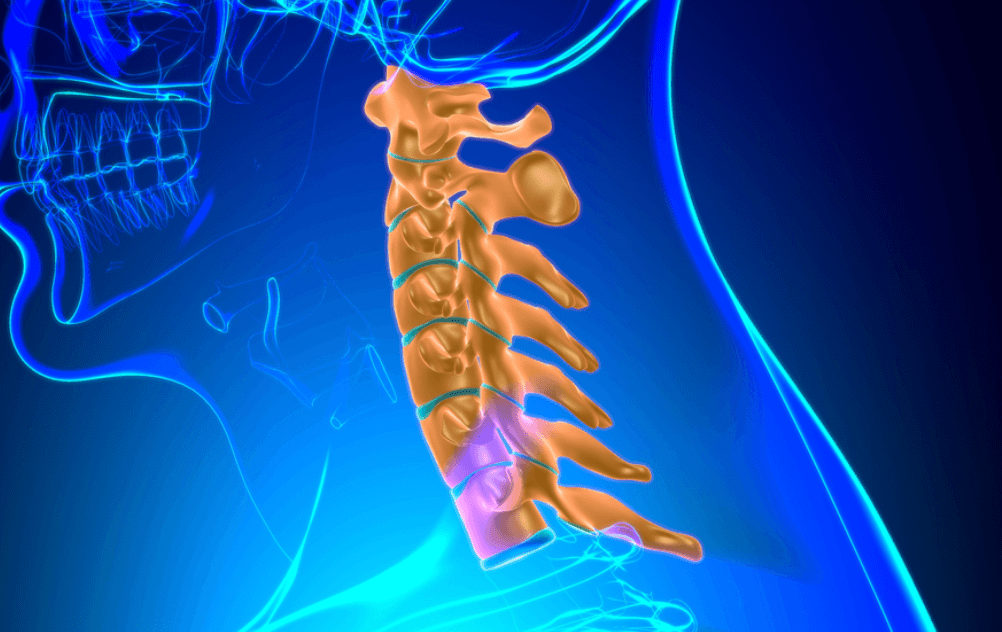
About Neck Pain & Numbness from Cervical Spinal Stenosis
How Do I Know If I Have Cervical Spinal Stenosis?
Cervical spinal stenosis can cause a variety of symptoms depending on the severity and levels affected. Common signs include shock-like pain in the neck or arms, tingling sensations, arm weakness, numbness in the hands or fingers, loss of coordination, balance issues, difficulty walking, and in severe cases, loss of bladder control. These symptoms may suggest compression of the spinal cord or nerve roots and should never be ignored.
If you're experiencing any of these symptoms, it's essential to get evaluated early. We offer a quick and easy spinal condition assessment tool to help gather information and determine if you may be a candidate for treatment. Don't delay your recovery the earlier we intervene, the better your outcome.
What is the Right Treatment for Me?
At Mountain Spine & Orthopedics, we specialize in procedures that relieve spinal cord compression while preserving motion. For patients with multi level stenosis (typically three or more levels), we recommend cervical laminoplasty. This procedure opens the spinal canal and decompresses the spinal cord without the need for a multi-level fusion, preserving mobility in the neck.
For patients with one or two affected levels, a decompression and artificial disc replacement is often ideal. This modern approach allows for motion preservation and avoids the long-term stiffness associated with spinal fusion. While multi-level fusion is sometimes used, it can leave patients with a permanently stiff neck, especially when four levels are involved. In contrast, laminoplasty provides the best option for multiple levels of compression without sacrificing mobility.
Understanding Cervical Laminoplasty
Cervical laminoplasty is a motion-preserving surgery done through the back of the neck. During the procedure, the muscles are temporarily moved aside and small cuts are made in the lamina the bone protecting the spinal cord. These bones are then lifted and repositioned to create more space for the spinal cord, relieving pressure and reducing symptoms.
The key benefit of this procedure is that it retains the neck's natural movement. Unlike fusion, which locks segments together, laminoplasty allows the bones to remain flexible. However, it's important to note that while laminoplasty is excellent for relieving nerve-related symptoms like arm and leg pain or headaches, it is not intended to address central neck pain. For axial neck pain, artificial disc replacement may be the better solution.
Post-Operative Recovery
Most patients recover quickly after cervical laminoplasty. Many go home the next day, and in some cases, it may be performed on an outpatient basis. Pain typically improves by the third day after surgery. Since neck movement is preserved, stiffness is minimized, and mobility is encouraged early on, which further speeds up recovery.
Schedule a Consultation Today
If you're experiencing symptoms like numbness, clumsiness, or radiating pain in your arms or legs, you may have cervical spinal stenosis. Early treatment can significantly improve your outcome and prevent further neurological damage. At Mountain Spine & Orthopedics, our expert surgeons specialize in both minimally invasive and motion-preserving spinal procedures to help you get back to life without pain or stiffness.
Take the first step toward recovery. Call us at (561) 223-9959 or fill out our online form to schedule your consultation today.
Ready to Get Started?
Don't let pain hold you back. Our Florida orthopedic specialists are here to help you get back to the activities you love.
Possible Causes We Evaluate
These conditions may cause neck pain & numbness from cervical spinal stenosis symptoms:
Treatments We May Recommend
Depending on your diagnosis, we may recommend: