Arm Pain from a Cervical Herniated Disc (Pinched Nerve)
A sudden sharp pain in your neck that shoots down your arm can be startling and debilitating. Often, this is caused by a herniated disc in your neck pressing on a sensitive nerve root.
About Arm Pain from a Cervical Herniated Disc (Pinched Nerve)
What Is a Cervical Herniated Disc?
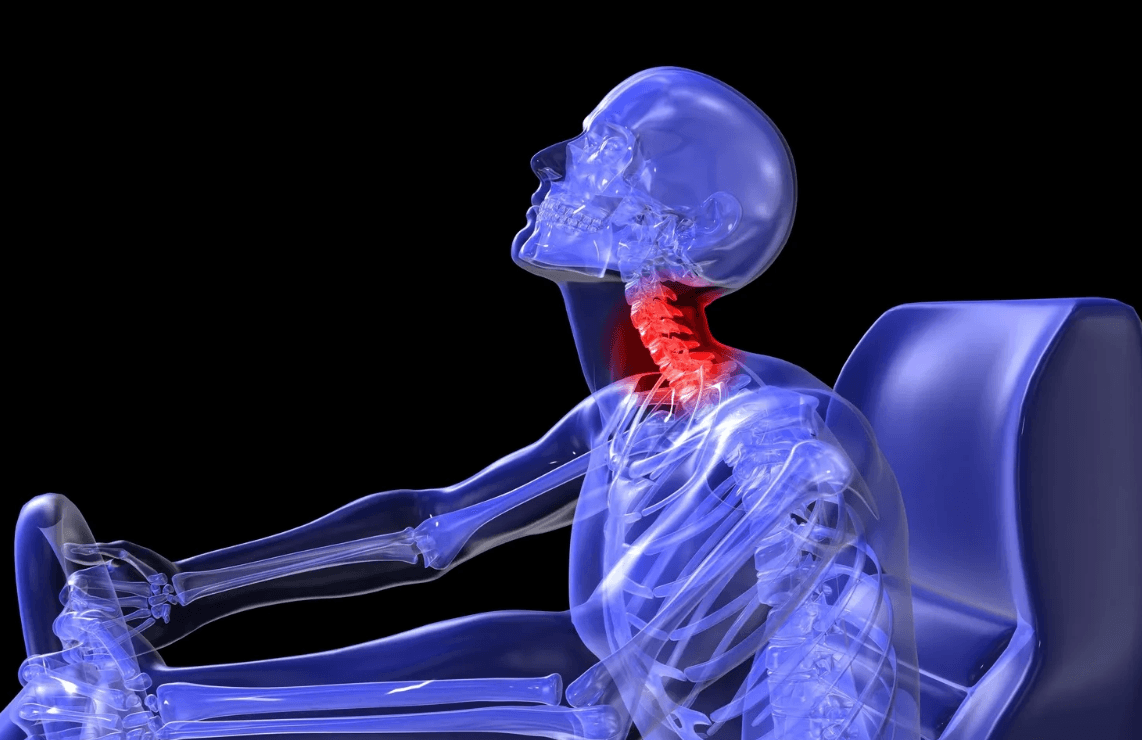
A herniated cervical disc occurs when one of the discs in the neck region (cervical spine) becomes damaged. These discs are gel-like cushions that sit between the vertebrae and act as shock absorbers. Over time or due to injury, the outer wall of the disc can tear, allowing the inner nucleus to leak out and press against surrounding spinal nerves. This can lead to symptoms such as neck pain, numbness, tingling, or weakness in the shoulders, arms, or hands. Treatment options range from conservative therapies like rest and outside rehabilitation to more advanced solutions, including cervical spine surgery.
If you're experiencing neck pain, numbness, or weakness in your upper limbs, you may be dealing with a herniated disc in your cervical spine. Our symptom checker tool is a quick and easy way to help determine if you're showing signs of disc herniation and whether a treatment consultation is recommended.
How Are Cervical Herniated Discs Diagnosed?
Diagnosing a herniated disc begins with a medical history review and physical examination. Your doctor may recommend imaging tests such as X-rays, MRI scans, or CT scans to confirm whether a disc is bulging or ruptured. While X-rays can help rule out other causes of pain, MRI and CT scans offer the most accurate visualization of soft tissue and nerve compression. If a herniated disc is confirmed, treatment usually starts conservatively with rest, ice, and medication. If symptoms persist, surgical intervention may be recommended.
Pain Management for a Cervical Herniated Disc
In the early stages of a cervical disc herniation, pain can often be managed with rest, ice, heat therapy, and anti-inflammatory medications. Muscle relaxants or prescription pain relievers may also be used. If pain continues, physicians may suggest outside rehabilitation to help strengthen the surrounding neck muscles. In some cases, nerve root blocks or epidural steroid injections are used to reduce inflammation and nerve pressure. Our team at Mountain Spine & Orthopedics will help determine the best approach based on your condition.
What Causes a Cervical Herniated Disc?
Cervical disc herniation can occur suddenly due to trauma or gradually as part of the aging process. The most common cause is wear and tear, which leads to disc degeneration. Over time, the discs lose elasticity and hydration, making them more prone to rupture. Other contributing factors include poor posture, obesity, repetitive strain, and spinal injury. In people over the age of 30, disc degeneration becomes more common, but even younger patients can suffer from herniated discs if their lifestyle puts excess stress on the spine.
Risk Factors for a Cervical Herniated Disc
Several factors can increase your risk of developing a cervical herniated disc. These include being overweight, smoking, living a sedentary lifestyle, or engaging in activities that involve repetitive neck strain or heavy lifting. Trauma to the spine or poor posture while sitting or sleeping can also contribute. Herniated discs may present with a wide range of symptoms pain, numbness, tingling, and weakness in the arms or legs so it's important to get evaluated by a medical professional if you suspect you may have this condition.
Treatment Options for Cervical Herniated Discs
Treatment for a herniated disc depends on the severity of the condition and the patient’s overall health. Mild cases often respond well to conservative approaches like rest, physical therapy, heat/ice, and anti-inflammatory medication. If these measures fail to provide relief, more advanced treatments such as epidural injections or surgery may be required. Surgical options typically involve removing part or all of the damaged disc to relieve pressure on the spinal nerves. At Mountain Spine & Orthopedics, our specialists are trained in minimally invasive procedures that aim to reduce recovery time and preserve neck mobility
Schedule a Consultation Today
Cervical herniated discs can significantly impact your daily life but you don’t have to manage the pain alone. Whether you're just beginning to feel discomfort or you've been struggling for months, there are many effective treatments available. At Mountain Spine & Orthopedics, our spine surgeons are highly experienced in diagnosing and treating herniated discs through both non-surgical and surgical solutions.
Call us today at (561) 223-9959 or fill out our online form to schedule a consultation. You may have more options than you think and recovery may be closer than you realize.
Ready to Get Started?
Don't let pain hold you back. Our Florida orthopedic specialists are here to help you get back to the activities you love.
Possible Causes We Evaluate
These conditions may cause arm pain from a cervical herniated disc (pinched nerve) symptoms:
Treatments We May Recommend
Depending on your diagnosis, we may recommend: