Understanding and Treating a Pinched Nerve

Understanding and Treating a Pinched Nerve
A 'pinched nerve' is a common term for when a nerve is compressed by surrounding tissue, causing radiating pain, numbness, or a 'pins and needles' feeling.
About Understanding and Treating a Pinched Nerve
What Is a Pinched Nerve?
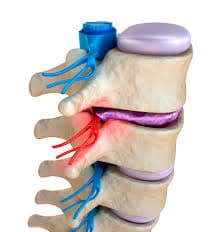
A pinched nerve occurs when soft tissue or bone compresses a nearby nerve root, interrupting its ability to transmit signals correctly. This can result in pain that radiates from the spine to the extremities, depending on the location of the compression. When the cervical spine is affected, symptoms often extend into the arms or hands. If the lumbar spine is involved, the pain can travel into the buttocks, legs, or feet.
Common causes of nerve compression include herniated discs, bone spurs, spinal stenosis, and poor posture. Over time, continued pressure can lead to worsening symptoms and even permanent nerve damage if not treated properly.
Many patients report that pinched nerve pain worsens with movement or after long periods of sitting. Some also experience burning sensations or weakness in the arms or legs. Early diagnosis and treatment are essential to preventing long-term nerve damage and restoring full function.
Symptoms of a Pinched Nerve
Symptoms of a pinched nerve depend on where the nerve is compressed, but common warning signs include:
- A sharp or burning pain radiating into the arms or legs
- Numbness or tingling in the affected limb
- Muscle weakness or feeling that the limb is "asleep"
- Pain that worsens with certain movements, like turning the head or standing up
- Discomfort that improves slightly when leaning forward or resting
Pinched nerve symptoms can come and go or be constant, depending on the cause. If left untreated, nerve compression may lead to permanent nerve damage, chronic pain, or muscle atrophy. Recognizing these early warning signs is the first step toward finding lasting relief.
Common Conditions Causing a Pinched Nerve
Several spinal conditions can lead to pinched nerves. Herniated discs are one of the most common causes. When the soft inner material of the disc bulges out, it can press against nearby nerves and cause pain, tingling, or numbness. Spinal stenosis, which involves narrowing of the spinal canal, is another major cause especially in older adults.
Bone spurs, often related to arthritis or spinal degeneration, can also contribute to nerve compression by invading space meant for nerves. In some cases, muscle tightness or repetitive strain from poor posture may also lead to a pinched nerve. Understanding what’s causing your symptoms is key to receiving the right care.
Treatments for a Pinched Nerve
A pinched nerve doesn’t have to control your life. With early intervention and the right treatment strategy, most patients experience relief without surgery. Non-surgical options may include outside rehabilitation, anti-inflammatory medication, activity modification, ergonomic adjustments, and corticosteroid injections. When conservative care fails to relieve pressure on the nerve, minimally invasive surgical solutions such as microdiscectomy or foraminotomy may be considered.
At Mountain Spine & Orthopedics, our team uses advanced imaging and diagnostic tools to pinpoint the source of nerve compression and build a customized care plan. Whether you need non-invasive treatment or surgical intervention, we’re here to help you recover quickly and safely.
Schedule a Consultation Today
If you’re living with shooting pain, numbness, or tingling that just won’t go away, it may be time to speak with a spine specialist. A pinched nerve is highly treatable, especially when diagnosed early. At Mountain Spine & Orthopedics, our experienced physicians will evaluate your symptoms, identify the source of the problem, and recommend a treatment path that works best for your needs and lifestyle.
Call us today at (561) 223-9959 or fill out our online consultation form to schedule your appointment. Lasting relief could be just one visit away.
Ready to Get Started?
Don't let pain hold you back. Our Florida orthopedic specialists are here to help you get back to the activities you love.
Possible Causes We Evaluate
These conditions may cause understanding and treating a pinched nerve symptoms:
Treatments We May Recommend
Depending on your diagnosis, we may recommend: