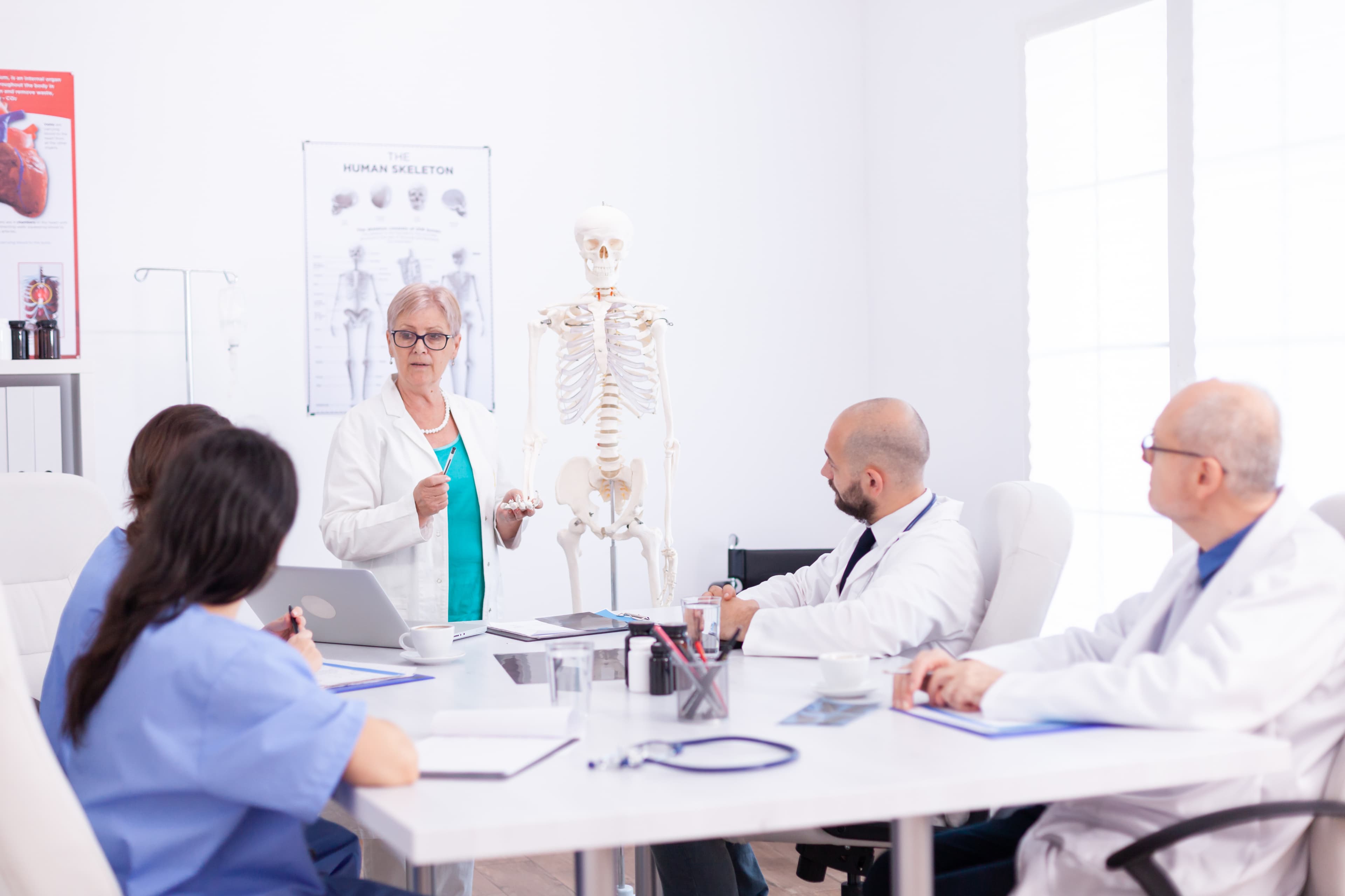
An orthopedic impairment is a serious condition affecting your bones, joints, or spine that can disrupt your entire life. It’s more than just an ache or pain; it’s a barrier that limits your ability to move freely, work comfortably, and enjoy your favorite activities.
But a diagnosis is not a dead end.
The key to moving forward is to understand the root cause of your pain and explore the vast landscape of modern treatments, from non-surgical therapies to advanced, minimally invasive surgery, that can help you manage symptoms, restore function, and reclaim your life.
What Is an Orthopedic Impairment?
An orthopedic impairment is a severe disability related to the body's musculoskeletal system. This complex system includes your bones, joints, muscles, and the connective tissues that hold everything together, such as ligaments and tendons. For a condition to be classified as an "impairment," it must be significant enough to negatively impact a person's physical capabilities and daily activities.
While this term is frequently used in educational settings to determine eligibility for special services for children, it applies to anyone whose ability to function is limited by a musculoskeletal problem. The defining characteristic is the severity of the condition, which creates substantial challenges with mobility, coordination, strength, and performing everyday tasks.
Decoding the Causes: Where Do Impairments Come From?
Orthopedic impairments can be present from birth or develop later in life. Understanding the origin is a critical part of determining the most effective treatment plan.
Congenital Conditions (Present from Birth)
A congenital impairment is a condition that exists at birth. These can be caused by genetic factors or developmental issues in the womb. Examples include:
Clubfoot: A birth defect where one or both feet are rotated inward and downward.
Hip Dysplasia: A condition where the hip socket doesn't fully cover the ball portion of the upper thighbone, leading to instability and potential dislocation.
Spinal Deformities: Issues like congenital scoliosis can be present from birth.
Acquired Conditions (Developed Over Time)
Acquired impairments are far more common and develop after birth due to disease, injury, or degeneration.
Disease: Certain diseases directly attack the musculoskeletal system. Degenerative conditions like osteoarthritis and autoimmune diseases like rheumatoid arthritis are the primary culprits. Infections like osteomyelitis (bone infection) can also cause severe damage.
Trauma: A serious accident or injury can lead to a permanent orthopedic impairment. This includes severe fractures, especially those involving the spine or major joints, and significant soft tissue injuries.
Degenerative Changes: The natural aging process can lead to wear and tear that results in significant impairment. This is a leading cause of many spine and joint conditions.
Common Conditions That Can Lead to an Orthopedic Impairment
Many different health problems can progress to the level of an orthopedic impairment. These conditions are a core focus of specialized orthopedic and spine care.
Spinal Conditions and Disorders
Your spine is the structural foundation of your body, and problems here can be debilitating.
Degenerative Spine Issues: Over time, the spine can wear down, leading to conditions like degenerative disc disease, where spinal discs lose their cushioning, and spinal stenosis, a narrowing of the spinal canal that puts pressure on nerves. This can occur in the neck (cervical spinal stenosis) or lower back (lumbar stenosis), often causing a pinched nerve.
Disc-Related Problems: A herniated disc or bulging disc occurs when the soft interior of a spinal disc pushes out, irritating nearby nerves. This is a common cause of sciatica (nerve pain down the leg) and chronic neck pain or back pain.
Spinal Deformities and Instability: Conditions like adult degenerative scoliosis (a sideways curve of the spine) and spondylolisthesis (where one vertebra slips over another) can cause significant pain and nerve compression.
Other Painful Spine Conditions: Chronic pain can also stem from facet joint disease (arthritis in the small joints of the spine) or coccydynia (persistent tailbone pain). Many patients also seek help for failed back or neck surgery syndrome, where pain continues after a previous operation.
Joint Conditions and Arthritis
Joint pain and stiffness are hallmark symptoms of many orthopedic impairments.
Arthritis: Osteoarthritis is the "wear-and-tear" type that breaks down cartilage in joints like the knee, hip, and shoulder (shoulder arthritis). Rheumatoid arthritis is an autoimmune disorder that causes chronic joint inflammation.
Soft Tissue Injuries: Major tears to ligaments and tendons often result from sports or accidents. Common examples include a rotator cuff tear in the shoulder, an ACL injury or torn meniscus in the knee, and labral tears in the hip or shoulder.
Inflammatory Conditions: Chronic inflammation can lead to impairment. Bursitis (inflammation of the cushioning sacs in joints, such as trochanteric bursitis in the hip) and tendonitis (inflamed tendons) are common sources of persistent pain.
Hand, Wrist, Foot, and Ankle Conditions
Impairments can also affect the smaller joints and structures in your extremities.
Carpal Tunnel Syndrome: Compression of the median nerve in the wrist causes numbness, tingling, and weakness in the hand.
Plantar Fasciitis: Inflammation of the thick band of tissue on the bottom of the foot, causing sharp heel pain.
Bunions (Hallux Valgus): A bony bump that forms on the joint at the base of the big toe, causing pain and deformity.
Your Path to Diagnosis: Getting Clear Answers
An accurate diagnosis is the cornerstone of effective treatment. An orthopedic specialist will use a systematic approach to pinpoint the source of your problem.
Comprehensive Consultation: Your doctor will discuss your symptoms, review your medical history, and perform a detailed physical examination to assess your range of motion, strength, and reflexes.
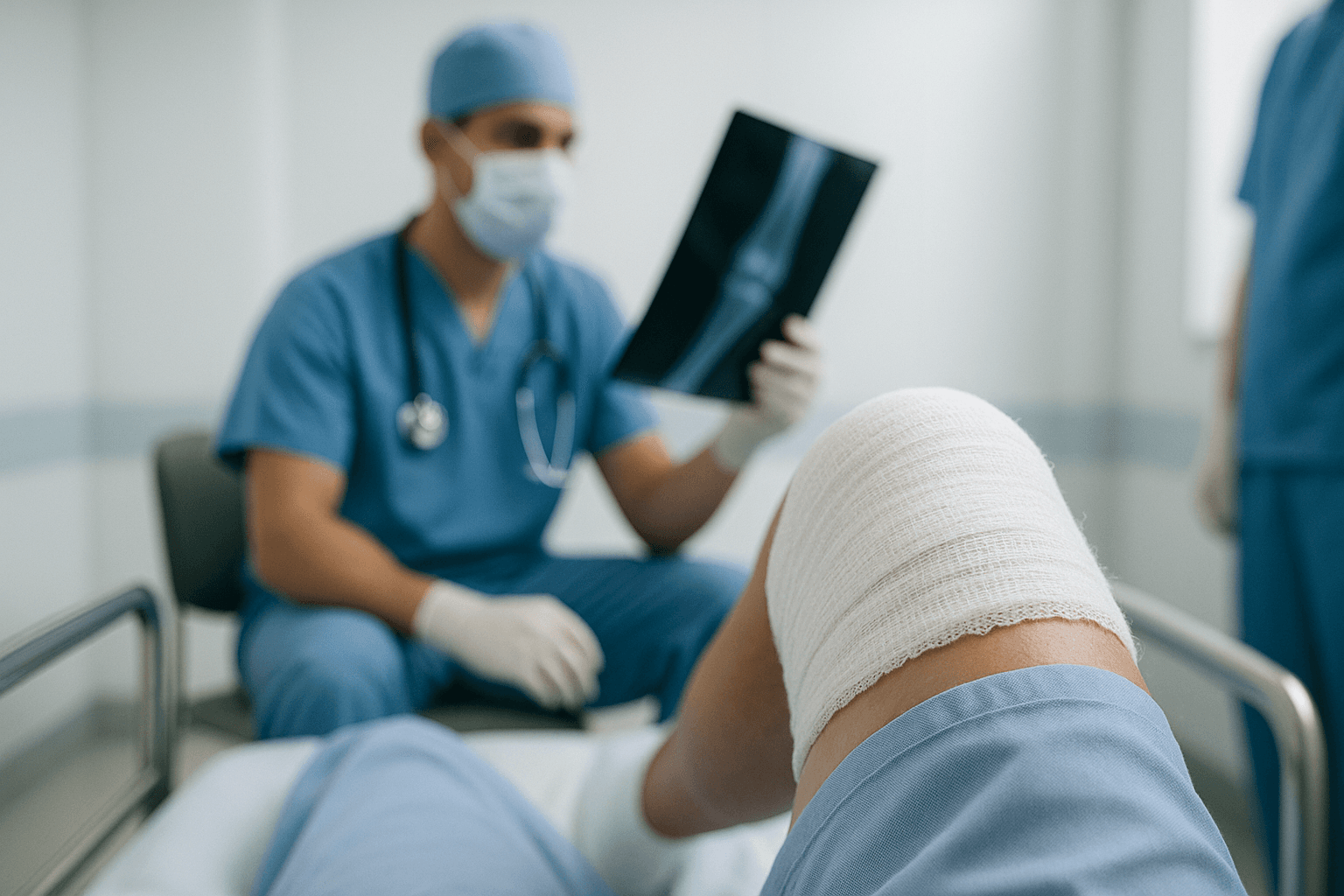
Advanced Imaging: To see the underlying structures, imaging tests are essential. These may include X-rays, MRI scans, or CT scans.
Second Opinion and MRI Review: For complex cases, seeking a second opinion or having an expert provide a free MRI review can confirm a diagnosis and ensure you are exploring all possible treatment avenues.
A Spectrum of Modern Treatments
Treatment plans are highly personalized and aim to reduce pain and restore function, often starting with the least invasive options.
Non-Surgical Solutions for Pain Relief and Function
Many patients find significant relief without surgery.
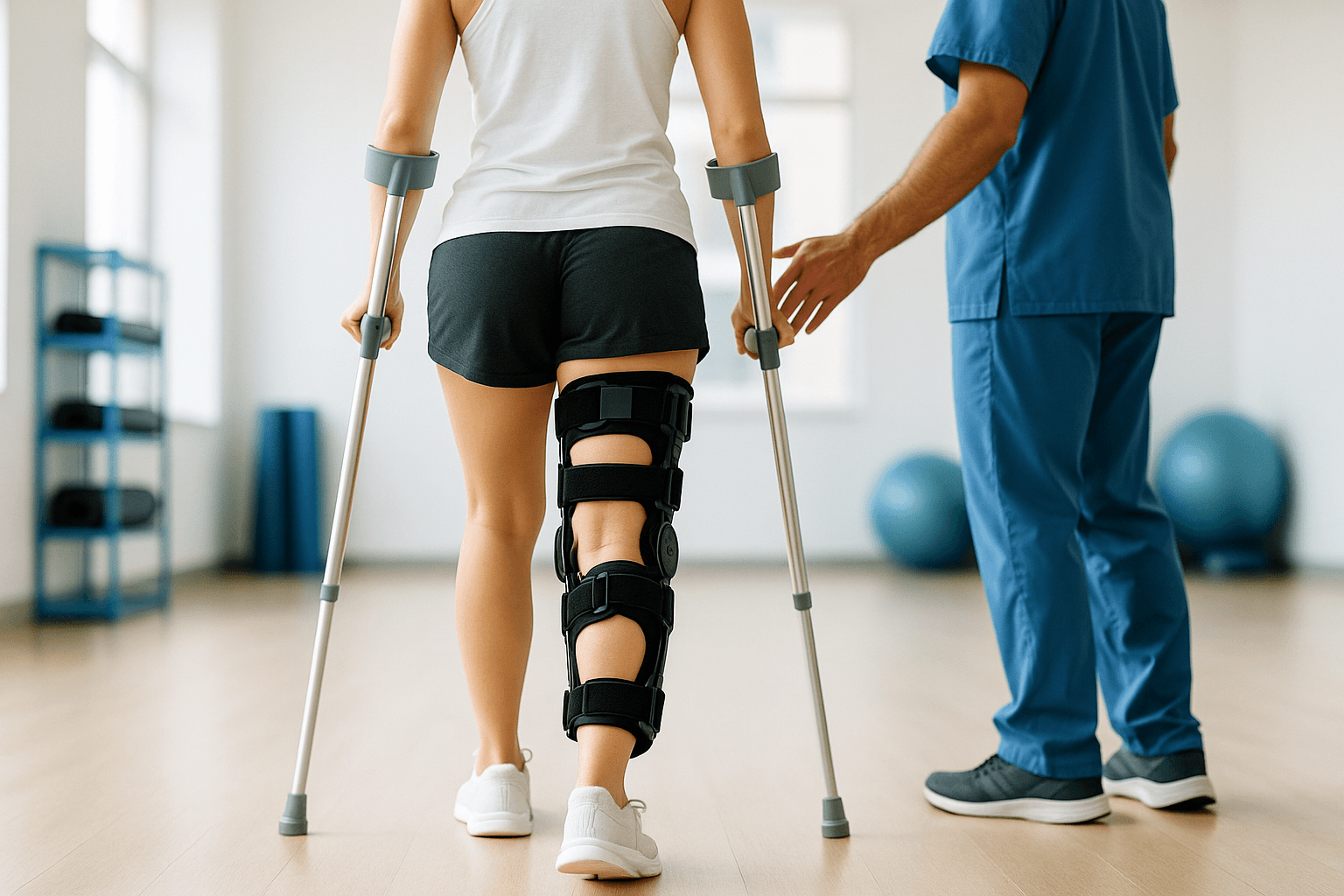
Physical Therapy: A customized exercise program designed to strengthen muscles, improve flexibility, and restore mobility.
Pain Management Injections: These treatments deliver powerful medication directly to the source of inflammation. Options include epidural steroid injections, cortisone injections for back pain, and facet block ablation rhizotomy for spinal arthritis.
Regenerative Medicine: Innovative treatments like stem cell treatment may be used to help the body heal damaged tissues.
Specialized Treatments: In some cases, options like Botox for migraines may be recommended if related to neck tension.
Advanced Surgical Interventions
When conservative care is not enough, surgery can offer a definitive solution. Modern techniques are often minimally invasive, allowing for faster recovery.
Spine Surgery:
Decompression Surgery: Procedures like lumbar microdiscectomy or lumbar laminectomy relieve pressure on compressed nerves.
Spinal Fusion: Techniques like ACDF (Anterior Cervical Discectomy and Fusion) or TLIF (Transforaminal Lumbar Interbody Fusion) stabilize painful segments of the spine.
Motion Preservation Surgery: Artificial disc replacement (cervical or lumbar) replaces a damaged disc while preserving natural movement.
Minimally Invasive Options: Endoscopic discectomy allows for surgery through a tiny incision.
Joint Replacement Surgery: For severely damaged joints, total hip replacement, total knee replacement, or ankle replacement can eliminate pain and restore mobility.
Arthroscopic Surgery: A minimally invasive approach used to perform procedures like rotator cuff repair, meniscus repair, and ACL reconstruction.
Hand and Foot Surgery: Procedures like carpal tunnel release and bunion correction surgery can correct painful deformities and relieve symptoms.
Expert Orthopedic and Spine Care Across Florida
Living with pain from an orthopedic impairment can feel isolating, but you don't have to face it alone. If you're in Hollywood, Palm Springs, Orlando, Fort Pierce, Palm Beach Gardens, Boca Raton, Altamonte Springs, or Davenport, the dedicated team at Mountain Spine Orthopedics is here to help.
We specialize in solving complex orthopedic and spine problems. Our professional support begins with a precise diagnosis — including a free MRI review — and extends to a full range of personalized treatment options, from advanced non-surgical pain management to state-of-the-art minimally invasive surgery. We are committed to helping you understand your condition and finding a solution that restores your health.
Call us today at (561) 223-9959 to schedule a same-day consultation and start your journey back to a pain-free life.
Conclusion
An orthopedic impairment can be a life-altering diagnosis, but it is not a life sentence. Breakthroughs in medical science and a deeper understanding of the musculoskeletal system have paved the way for highly effective treatments that can address the root cause of pain and dysfunction. By seeking care from a team of experienced orthopedic and spine specialists, you can get the clear answers and personalized solutions you need. With a proper diagnosis and a modern treatment plan, restoring your mobility and reclaiming your quality of life is an achievable goal.
Frequently Asked Questions
Answers to the most common patient questions about this topic.
What is the difference between an orthopedic impairment and a regular injury?
A regular injury, like a sprain or minor fracture, typically heals with time and standard treatment. An orthopedic impairment is a severe, often chronic, condition that significantly limits a person's ability to move and perform daily life activities, and it may require more advanced, long-term management.
Can orthopedic impairments be fully cured?
This depends on the specific condition. Traumatic injuries like fractures can often be fully repaired. However, degenerative conditions like osteoarthritis cannot be cured, but they can be managed so effectively with treatments like joint replacement that a person can return to a full and active life without pain.
What is the first step if I think my condition is an orthopedic impairment?
The most crucial first step is to schedule a consultation with an orthopedic specialist. They have the expertise to conduct a thorough evaluation, order the right diagnostic tests like an MRI, and provide an accurate diagnosis, which is the foundation for any successful treatment plan.
How long does recovery from orthopedic surgery take?
Recovery time varies widely depending on the procedure and the individual. Recovery from a minimally invasive arthroscopic surgery might take a few weeks to a few months. A more extensive procedure like a total knee replacement or spinal fusion will have a longer recovery period, often involving several months of physical therapy to regain full function.
Are there non-surgical options for serious spine problems like stenosis?
Yes, absolutely. Many patients with serious conditions like spinal stenosis or herniated discs find excellent relief with non-surgical treatments. These often include a combination of specialized physical therapy, anti-inflammatory medications, and targeted pain management procedures like epidural steroid injections. Surgery is generally considered only after these conservative methods have been tried.